
The Evolution of Gaming Gadgets: How Technology is Redefining the Gamer Experience
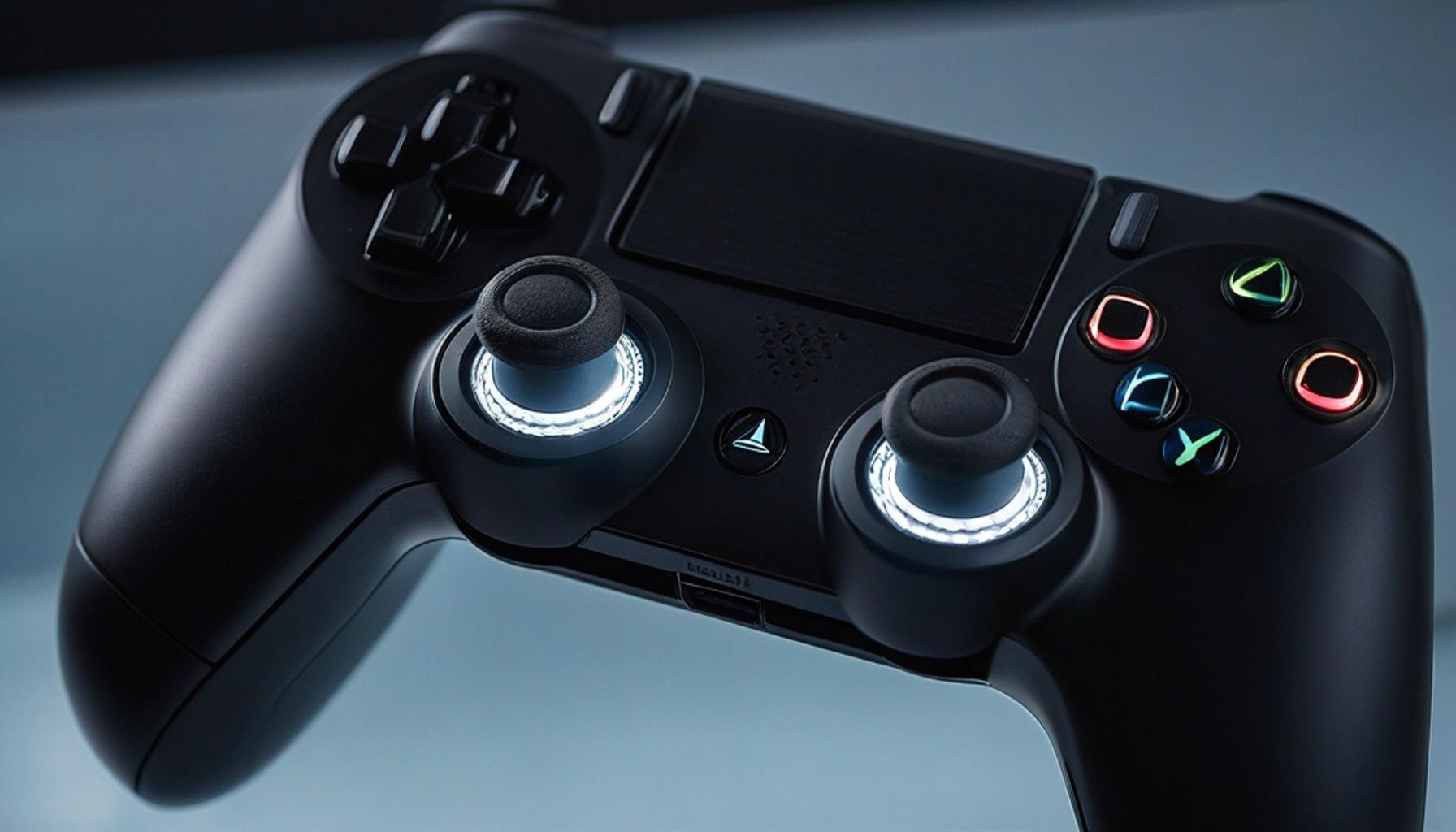
The Evolution of Gaming Gadgets
The gaming industry is a realm where innovation is the lifeblood of progress. Over the last few decades, rapid technological transformations have redefined what it means to engage with video games. Each leap in technology leads to new gaming peripherals, enhancing player interaction and overall satisfaction.
Taking a closer look at the history of gaming peripherals reveals a clear progression in complexity and capability:
- 1980s-1990s: The early era of gaming featured rudimentary joysticks and controllers. These devices allowed players to engage with games but offered limited interactivity. For instance, the joystick for the Atari 2600 became iconic, but its simple one-button design underscored the era’s technological constraints.
- 2000s: This decade marked a notable shift with the emergence of advanced controllers like the Xbox 360 and PlayStation 3. These devices introduced features such as haptic feedback, which provided players with a tactile experience that enhanced immersion. The introduction of the Sixaxis controller featured motion-sensing technology, enabling players to physically interact with in-game elements.
- 2010s: The launch of Virtual Reality (VR) headsets, such as Oculus Rift and HTC Vive, revolutionized gaming experiences. Players could truly step into virtual worlds, enhancing gameplay with a new level of realism that traditional consoles couldn’t provide.
Today, cutting-edge innovations continue to reshape the landscape:
- Adaptive Controllers: Designed for inclusivity, adaptive controllers ensure that gamers with disabilities can enjoy the same level of engagement as their able-bodied counterparts. Microsoft’s Xbox Adaptive Controller is a prime example, featuring customizable buttons and large accessibility options to cater to various needs.
- High-fidelity Wireless Technology: Modern wireless controllers leverage improved connectivity and low latency technology, offering a lag-free experience for competitive gaming. This is essential for eSports, where split-second decisions can determine outcomes and affect players’ earnings and career trajectories.
- Smart Accessories: With the incorporation of artificial intelligence, smart accessories personalize gaming encounters. For example, devices like Logitech’s G502 HERO mouse utilize AI to adapt sensitivity and give users performance analytics that can enhance gameplay.
This rapid evolution of gaming gadgets transcends just enhancing gameplay mechanics; it also significantly affects the financial dynamics of the gaming market. As consumer preferences evolve toward complex and sophisticated gaming experiences, companies are compelled to invest heavily in research and development. Market research indicates that this has fostered a trend of increased consumer spending, with the global gaming market projected to exceed $200 billion by 2023, demonstrating an impressive compound annual growth rate (CAGR) of 9.3%.
Understanding how these technological advancements impact player experiences is essential for forecasting future trends. As we delve deeper into this evolution, it becomes crucial to analyze how each shift shapes purchasing behavior and market dynamics. For instance, the rise of eSports has not only propelled sales of high-performance gear but has also led to unique marketing strategies that capitalize on sponsorships and endorsements, further demonstrating the interconnectedness of technology and finance in the gaming sector.
DISCOVER MORE: Click here to learn how to apply
Transformative Impact of Gaming Gadgets on User Engagement
The trajectory of gaming gadgets has dramatically transformed user engagement and satisfaction levels, stimulating unprecedented changes across the gaming landscape. As technology diversifies and evolves, it creates opportunities for manufacturers to develop increasingly sophisticated devices that cater to a broad spectrum of gamers. This section will delve into the influence of advanced gadgets on gameplay and consumer behavior, emphasizing poignant trends and statistics that reveal the financial ramifications for both the industry and players.
The introduction of innovative gaming gadgets has not only heightened user engagement but has also influenced spending behaviors within the gaming community. Key factors that signify this shift include:
- Immersive Experiences: The leap from traditional gaming to immersive experiences through VR and AR technology has significantly changed how players perceive and interact with games. A study by the International Data Corporation (IDC) projected that the global VR and AR market would reach approximately $200 billion by 2025. This growth presents a unique opportunity for companies that manufacture compatible accessories, including VR headsets and motion controllers, further amplifying consumer desire for cutting-edge devices.
- Cross-Platform Functionality: As the demand for seamless gaming experiences increases, manufacturers are focused on creating gadgets that function across different platforms. Dual-function gadgets, such as the Razer Kishi controller that works for both mobile devices and consoles, capitalize on a growing trend of mobile gaming. Research from Newzoo indicates that mobile gaming is expected to account for 59% of global gaming revenue, totaling $77.2 billion, underscoring the importance of adaptable devices.
- Subscription Services: The rise of subscription services like Xbox Game Pass has driven the sales of compatible gadgets. This service incentivizes gamers to invest in high-quality peripherals to maximize their experience with a vast library of games. Consumers increasingly prioritize purchasing premium headsets and controllers to fully unlock the potential of their subscriptions. Data from Statista suggests that subscription-based service revenue in the gaming sector is projected to surpass $10 billion annually by 2025.
The ongoing evolution of gaming gadgets is facilitated by a symbiotic relationship between technological advancements and consumer spending patterns. As gaming companies embrace new technologies, they create high-quality peripherals designed to enhance gaming experiences, raising the bar for what players expect. For instance, the introduction of adaptive controllers has revolutionized accessibility in gaming, allowing companies to tap into new revenue streams by addressing the needs of gamers with disabilities. Studies show that inclusion-oriented products can generate revenue growth of up to 20%, highlighting their strategic importance in modern gaming.
As the market continues to advance, understanding the financial dynamics that accompany these technological innovations is crucial. Highlighting the impact of these gadgets on player experiences illustrates the connection between evolving consumer needs and the overarching trends in the gaming industry. These insights set the stage for examining how future trends may further shape both player expectations and market growth in this thriving sector.
DISCOVER MORE: Click here to learn how to apply
Shifting Paradigms in Gaming Gadgets: The Role of Connectivity and Customization
As the gaming landscape continues to evolve, the importance of connectivity and customization in gaming gadgets is becoming increasingly pronounced. With the proliferation of high-speed internet and the rise of cloud gaming, new paradigms in gameplay and consumer expectations are emerging. This section will analyze how these factors influence market dynamics, consumer behavior, and ultimately, the financial prospects of gaming accessory manufacturers.
Improved Connectivity: The advancement of cloud gaming services, such as NVIDIA GeForce NOW and Google Stadia, has necessitated the design of peripherals that offer seamless and instantaneous connectivity. This shift means that significant investments in low-latency devices are essential for optimum gaming experiences. Recent studies by Omdia indicate that over 30% of U.S. gamers have either used or shown interest in cloud gaming solutions, suggesting a fundamental change in how games are accessed and played. As a result, manufacturers are focusing on developing smart devices that leverage AI and machine learning to enhance connectivity, thus driving innovation and competition in the industry.
The push for lower latency has also propelled the development of specialized gaming routers, which contribute to better user experiences. According to research from J.D. Power, customers with high-performance routers reported a 20% increase in overall gaming satisfaction. This trend drives sales of high-tech gadgets beyond traditional peripherals—opening new revenue streams for tech companies focused on enhancing the online gaming experience.
Customization and Personalization: Another notable trend revolves around the demand for customization in gaming gadgets. Modern players increasingly seek devices that can be tailored to their individual preferences, whether it involves programmable buttons on controllers or adjustable settings in headsets. Companies like Logitech and Razer have capitalized on this trend, introducing products that allow users to modify performance settings and aesthetics through companion apps. A survey conducted by The Entertainment Software Association revealed that nearly 60% of gamers consider customization an integral factor when purchasing gaming gadgets. This consumer preference generates an estimated $2 billion market segment dedicated solely to customizable peripherals, illustrating the substantial financial return for companies willing to innovate in this area.
- Data-Driven Insights: The integration of data analytics into gaming gadgets also plays a crucial role in shaping the user experience. Devices that collect metadata on gameplay patterns empower gamers to enhance their skills, leading to increased engagement and investment in supplementary products. For instance, with peripherals that track performance metrics, gamers are likely to purchase additional gadgets to complement their gaming efficacy. Reports suggest that consumers who track their gaming progress spend an average of 30% more on peripherals, propelling manufacturers to create software ecosystems that foster long-term connections with users.
- Market Segment Expansion: The increasing prevalence of esports has amplified the demand for high-performance gadgets designed specifically for competitive play. As the esports industry is projected to exceed $1.5 billion in revenue by 2023, companies investing in specialized gaming peripherals—ranging from ultra-responsive mice to precision-focused keyboards—are positioned to capture a significant share of this lucrative market. The provision of tournament-grade equipment not only drives sales but also encourages a community of dedicated players willing to invest in the best tools possible to enhance their competitive edge.
The interconnection between technology, connectivity, customization, and market dynamics effectively highlights how the evolution of gaming gadgets is redefining the gamer experience. As consumers continue to demand higher quality and more personalized products, the financial landscape for manufacturers hinges on their ability to adapt and innovate in response to these emerging trends. By examining the impact of connectivity and customization on user behavior and spending, it becomes clear that the future of gaming gadgets will be driven by an ongoing commitment to technological advancement and consumer satisfaction.
DIVE DEEPER: Click here to learn more
Conclusion
In an era marked by rapid technological advancements, the evolution of gaming gadgets is undeniably reshaping the gaming experience. This article has examined critical trends driven by connectivity, customization, and data integration, all of which are redefining how gamers interact with their devices and each other. With over 30% of U.S. gamers exploring cloud gaming platforms, the shift towards low-latency, high-performance gadgets is a clear indicator that the industry must adapt to ever-increasing consumer demands. Gamers are not merely passive users; they are active participants seeking engaging, tailored experiences that reflect their unique preferences.
The financial ramifications are substantial. Companies embracing innovative designs and features that cater to individual gamer needs are well-positioned to thrive in a competitive landscape. As seen in the $2 billion market segment dedicated to customizable peripherals, investing in personalization is not just an option—it’s a necessity. Furthermore, the ascent of esports further complicates the gaming gadget narrative, with projections indicating significant revenue potential that incentivizes continuous development in high-performance products.
Ultimately, the convergence of technology and consumer expectations suggests that the future of gaming gadgets will be characterized by a continual push towards enhanced functionality and user experience. To remain relevant, manufacturers must not only keep pace with technological trends but also build long-lasting relationships with gamers through reliable performance and customization options. The journey of gaming gadgets is far from over; it is an exciting evolution that will continue to engage and redefine what it means to be a gamer in the years to come.

Linda Carter
Linda Carter is a writer and financial expert specializing in personal finance and financial planning. With extensive experience helping individuals achieve financial stability and make informed decisions, Linda shares her knowledge on the our platform. Her goal is to empower readers with practical advice and strategies for financial success.