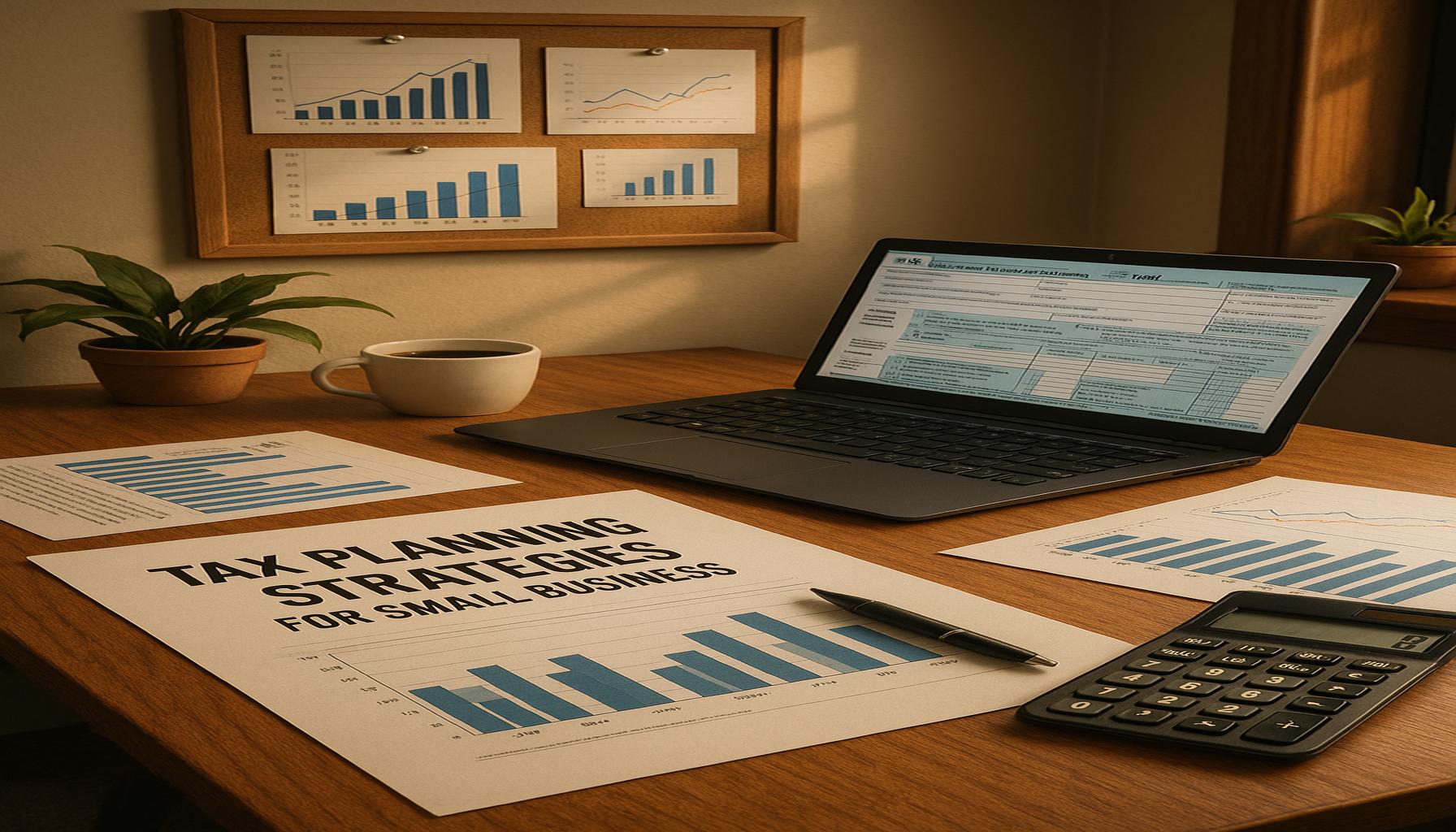
Tax Planning Strategies for Small Businesses in the USA
Unlocking Financial Success
Every small business owner dreams of a thriving enterprise. However, navigating the complex world of taxes can often feel overwhelming. Effective tax planning is essential for maximizing profits and ensuring sustainability. By understanding and utilizing the right strategies, you can turn what seems like a burden into a powerful tool for your business’s success.
As a small business in the USA, you have unique opportunities to optimize your tax situation. Consider these key strategies:
- Understanding Deductions: Familiarize yourself with the myriad of deductions available to you. For instance, if you use a portion of your home exclusively for business, you may qualify for the home office deduction. This can include expenses such as utilities, mortgage interest, and property taxes. Similarly, if you travel for work—whether it’s a sales trip to a neighboring state or attending a conference—these expenses, including travel, meals, and lodging, can potentially be deducted. Every dollar saved through deductions directly impacts your bottom line.
- Utilizing Credits: Tax credits are a straightforward way to reduce your tax bill, and many small businesses overlook them. For example, the Small Business Health Care Tax Credit can significantly lower your costs if you provide health insurance to your employees. Additionally, the Work Opportunity Tax Credit provides incentives to hire individuals from certain targeted groups, which not only reduces your tax burden but also enhances your workforce diversity.
- Retirement Plans: Another proactive approach includes investing in retirement plans like a SEP IRA or a Solo 401(k). Not only do these plans help secure your financial future, but they also offer tax deductibility. Contributions made to these accounts can reduce your taxable income, allowing more room to reinvest back into your business, prepare for the future, and support your employees’ retirement savings.
- Entity Structure: Choosing the right business structure, such as an LLC or S-Corp, can significantly impact your tax situation. Each structure has its own tax implications that can either benefit or hinder your financial progress. For instance, an S-Corporation might enable you to characterize income as distributions, which are generally taxed at lower rates than conventional income.
By embracing these tax planning strategies, you not only reduce your tax liability but also set a solid foundation for your business’s growth. Finally, every informed decision you make can lead to greater financial freedom and empower you to invest back into the heart of your enterprise. Understanding your financial landscape is a powerful step toward building a resilient business that can withstand the tests of time. The journey to financial success may seem daunting, but with the right tools and mindset, you can unlock the doors to prosperity.
DISCOVER MORE: Click here for essential tips
Empowering Your Business Through Tax Knowledge
Tax planning is not just a process; it is an invaluable opportunity for small business owners to take charge of their finances. Every decision you make in managing your business can have tax implications and recognizing this can lead to significant savings and growth. By approaching tax planning with a strategic mindset, you not only position your business for sustainability but also fuel your ambitions. With the right knowledge, you can transform complex financial regulations into actionable insights that drive your success.
Leverage Your Business Expenses
Understanding what expenses can be deducted is crucial for effective tax planning. Many small business owners underestimate the power of their expenses in reducing taxable income. Consider the following common deductible expenses that may apply to your enterprise:
- Startup Costs: If your business is new, you may be eligible to deduct up to $5,000 in startup costs in the year your business begins. This includes expenses like advertising and training that are necessary for launching your company.
- Business Use of Vehicle: If you use your vehicle for business purposes, you can choose between deducting actual vehicle expenses or taking the standard mileage deduction, which is simpler to calculate. Each approach can save you a significant amount depending on your driving habits.
- Inventory and Supplies: Tracking inventory accurately and recognizing the costs of supplies can ensure that you claim these essential business expenses. Whether you use the cash method or accrual method of accounting, staying informed about allowable deductions in this area maximizes your savings.
Every dollar you save through effective deduction practices is a dollar you can reinvest back into your business. Embracing this knowledge not only strengthens your financial position but also empowers you as a business owner. By being diligent in tracking and categorizing your expenses, you lay the groundwork for healthier cash flow and better decision-making.
Stay Informed on Tax Changes
The tax landscape is ever-changing, and staying informed about updates can make a significant difference in your financial outcomes. Changes in tax law, which may occur every year or even mid-year, can have immediate implications for your small business. Being proactive in understanding these changes allows you to adapt your strategies accordingly. This can include adjusting your payroll taxes, anticipating new deductions, or understanding changes to credits that may affect your business.
As the owner of a small business, investing time in tax education can be one of the most rewarding choices you make. Knowledge equips you to optimize your tax strategy effectively and protect your resources. Therefore, consider connecting with a tax professional who is well-versed in small business affairs and can guide you through the continual evolution of regulations. By doing so, you not only safeguard against fiscal pitfalls but also empower yourself to make informed decisions that propel your business forward.
Embarking on your tax planning journey with a proactive and informed mindset paves the way for unlocking the financial success you envision for your business. Every strategic move you make today is an investment in your future, one that can yield dividends in increased profitability and stability.
DISCOVER: Click here to learn how to use credit wisely
Creating a Powerful Financial Foundation
Effective tax planning goes hand-in-hand with strategic business management. By understanding how to best structure your business, you not only enhance your operational framework but also optimize your tax obligations. The choices you make now can serve as a beacon for your company’s future growth and sustainability.
Consider Your Business Structure
The structure of your business—whether it be a sole proprietorship, partnership, LLC, or corporation—impacts your tax liabilities significantly. Choosing the right entity can mean substantial savings and protections. For instance, LLCs and S-Corporations often allow for pass-through taxation, which can mitigate double taxation at the corporate level. This means that business income is only taxed once, avoiding the extra burden of corporate taxation. On the other hand, corporations may be eligible for certain fringe benefits that are not available to sole proprietors or partnerships.
Assessing the long-term trajectory of your business can assist in this decision-making process. A thorough evaluation of your expected profits, potential liabilities, and expansion plans will help you choose the most beneficial structure.
Utilizing Retirement Plans
Another vital tax-saving strategy is to take advantage of retirement plans. Small business owners can make significant contributions to plans such as a SEP IRA or a Solo 401(k). Not only do these contributions reduce taxable income, but they also set a foundation for future financial security. Contributions to these plans are typically tax-deductible, creating a win-win situation for both your present tax obligations and your future financial well-being.
Furthermore, establishing a retirement plan can enhance employee morale and retention, as it demonstrates a commitment to their financial future. Providing such benefits can attract top talent, strengthening your workforce and positioning your business for success.
Tax Credits: Uncovering Hidden Opportunities
In addition to deductions, explore various tax credits that can significantly reduce your tax liability. There are numerous federal and state tax credits available specifically tailored for small businesses. For instance, the Work Opportunity Tax Credit (WOTC) encourages businesses to hire individuals from specific target groups, offering a substantial tax credit for qualified employers.
Additionally, renewable energy tax credits promote sustainability initiatives and can help your business reduce energy costs. Being aware of and capitalizing on these credits can lead to significant financial savings. Research the credits applicable to your industry and situation, and collaborate with a financial advisor who can guide you to maximize these opportunities.
Investing in Technology
As the world transitions into a more digital marketplace, investing in technology can yield remarkable financial benefits. This not only aids in operational efficiency but also opens doors for new tax deductions. For example, businesses can deduct expenses related to software, hardware, and online services. Streamlining operations through technology often leads to cost savings, improved customer satisfaction, and enhanced productivity—ultimately contributing to your bottom line.
By implementing these strategies and remaining proactive in your tax planning efforts, you can create a robust financial framework that supports your business goals. Each step taken today can lead to a brighter financial future tomorrow, fostering a sense of empowerment and growth. Embrace your role as a strategic business leader and make informed financial choices that will bolster your enterprise for years to come.
DISCOVER MORE: Click here to learn how to boost your credit score</
Final Thoughts on Tax Planning for Small Businesses
As a small business owner, navigating the complexities of tax planning may feel daunting, but it can ultimately be a transformative process that leads to sustainable growth and financial stability. By understanding and implementing strategic tax planning strategies, you empower yourself to make informed decisions that benefit both your business and your bottom line. The careful selection of your business structure, for example, can pave the way for significant tax savings and operational efficiency.
Furthermore, utilizing retirement plans not only secures your future but also enhances your recruitment capabilities by demonstrating your commitment to employee well-being. Exploring available tax credits can unveil hidden opportunities that directly reduce your tax burden, allowing you to invest more in your business and its growth. Also, leveraging technology offers a dual advantage: it streamlines your operations and provides additional avenues for tax deductions, supporting your long-term profitability.
Embrace these initiatives with an open mind and a proactive approach. The key to successful tax planning lies in awareness and action; by taking the time to evaluate your unique situation and seize available opportunities, you will not only enhance your financial performance today but also forge a path for success in the future. Remember, the journey of a thousand miles begins with a single step. Equip yourself with knowledge and confidence, and watch as your small business flourishes in the vibrant landscape of the American economy.