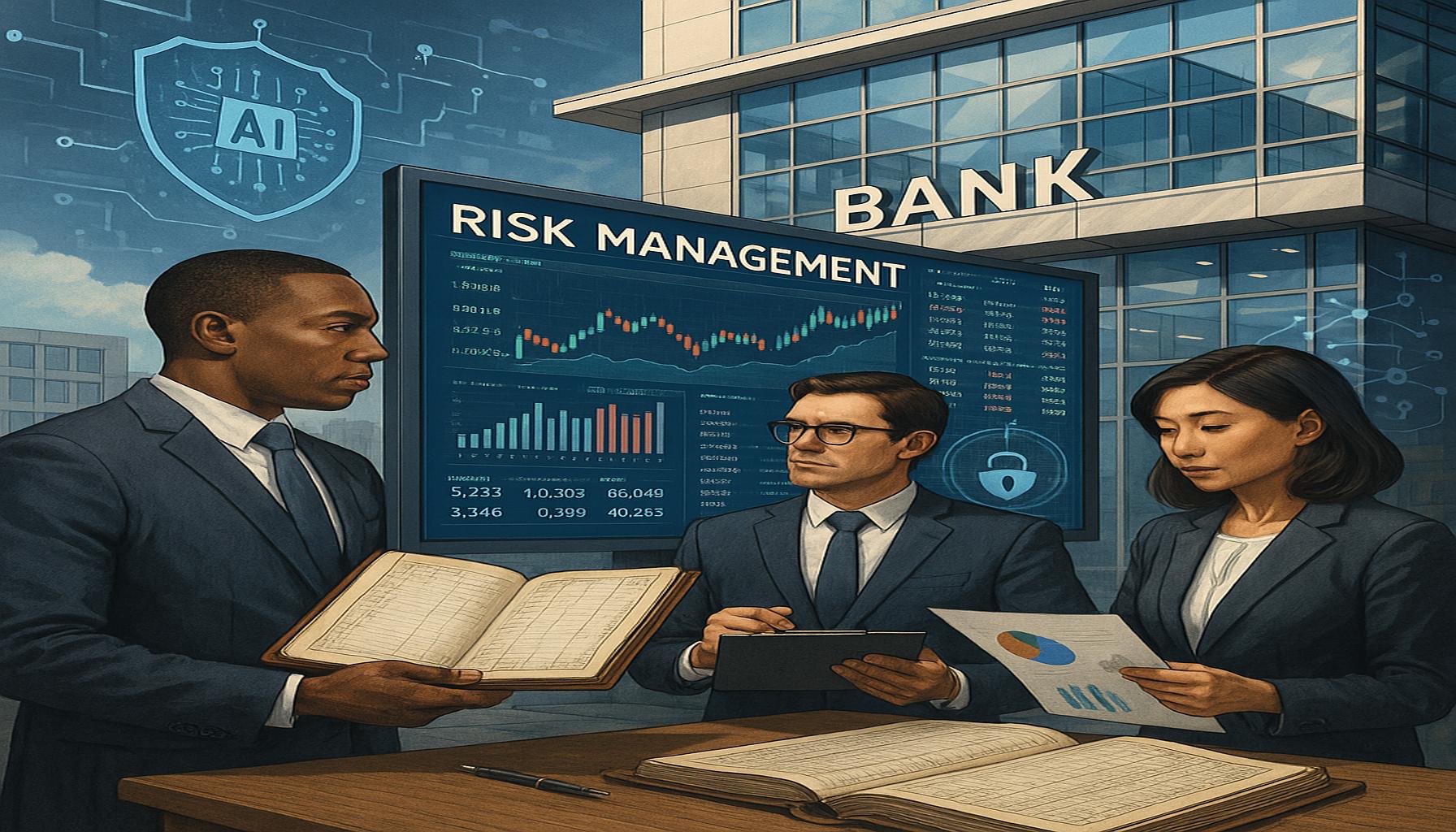
Risk Management in Investments: How to Protect Your Portfolio in Times of Uncertainty

A Comprehensive Approach to Risk Management
The world of investments is a dynamic arena, where the potential for financial gain is invariably accompanied by the risk of loss. This duality can create feelings of anxiety and uncertainty. However, a well-structured risk management strategy can empower you to face these challenges with resilience and foresight. The unpredictable nature of global events—ranging from natural disasters to geopolitical tensions—combined with market volatility reinforces the necessity of a robust risk management framework to safeguard your financial future.
Diversification is one of the cornerstones of effective risk management. By spreading your investments across various asset classes such as stocks, bonds, real estate, and commodities, you lessen the risk of a significant loss. For example, if the stock market experiences a downturn, your investments in bonds or real estate may remain stable or even appreciate, reducing the overall impact on your portfolio. This strategy not only mitigates risk but also opens the door to different revenue streams, thereby enhancing your potential for long-term growth.
Regular Monitoring is equally vital in maintaining an effective risk management strategy. The financial landscape can shift rapidly due to economic indicators, policy changes, or global events. Keeping a close watch on market trends and aligning your portfolio with these changes ensures you are not caught off guard. For instance, in a rising interest rate environment, reviewing your bond investments might lead you to diversify into inflation-protected securities or other defensive assets.
Moreover, setting limits is crucial to achieving emotional discipline in your investment approach. Establishing clear risk tolerance levels helps prevent emotional decision-making during market downturns. By defining how much loss you can sustain without compromising your financial goals, you empower yourself to make more rational investment choices. This can be especially important in the United States, where market fluctuations often elicit a emotional response among investors.
As you embark on your investment journey, it is essential to prioritize education. Keeping yourself informed about current investment strategies and market conditions equips you with the knowledge necessary to make sound decisions. Additionally, leveraging tools like financial dashboards, analytics software, and investment apps can greatly enhance your analysis capabilities, providing insight into your portfolio’s performance and helping you make informed choices.
Adaptability is another critical component of effective risk management. The ability to revise your strategies in response to changing circumstances not only exemplifies financial prudence but also positions you to seize new opportunities. The investment landscape is ever-evolving, and successful investors are those who can pivot quickly while staying true to their long-term vision.
With the right mindset and a proactive approach to risk management, you have the power to build a resilient portfolio that thrives despite adversity. Investing with insight and purpose today can lay the groundwork for a secure financial tomorrow, inspiring not just confidence but also a deeper sense of control over your destiny.
DISCOVER MORE: Click here to learn how to use credit wisely
Building a Safety Net: Key Strategies for Risk Management
In the complex world of investments, achieving peace of mind often comes down to implementing a series of proactive strategies designed to shield your portfolio from unforeseen turbulence. Yes, the marketplace can be unpredictable, but the good news is that you can take concrete steps to bolster your financial strategy and reduce exposure to risk. Here are some essential tactics that every investor should consider:
- Establishing an Emergency Fund: Before venturing into the investment world, prioritizing an emergency fund is vital. This safety net, ideally covering three to six months of living expenses, enables you to weather financial storms without resorting to selling off investments at an inopportune time. Whether it’s a job loss or an unexpected medical expense, an emergency fund offers a buffer that can prevent you from making rash decisions under pressure.
- Understanding Asset Allocation: In addition to diversification, it’s crucial to master the concept of asset allocation—strategically dividing your investments among different asset categories based on your risk tolerance, financial goals, and investment timeline. For instance, a younger investor with a long time horizon may opt for a heavier allocation in equities, while someone nearing retirement might shift toward more stable, income-generating investments like bonds.
- Utilizing Stop-Loss Orders: Many brokerage platforms offer tools such as stop-loss orders, which automatically sell a security when it falls to a certain price. Implementing this strategy can help minimize losses while allowing you to maintain a focused approach to your investment objectives. It is a precautionary measure designed to insulate you from significant downturns, giving you peace of mind as you navigate the market.
- Investing in Quality: When the skies turn gray, an inclination to retreat into a safer zone is natural. However, during times of uncertainty, consider investing in companies with strong fundamentals and sustainable business models. Stocks of well-established firms often perform better during market volatility, serving as a stabilizing force within your portfolio.
Above all, adopting a long-term perspective is paramount. The urge to react swiftly to short-term market fluctuations can lead to hasty decisions, undermining your carefully crafted investment strategy. Instead, cultivate patience with your investments, understanding that volatility is a natural part of the process. Successful investors are those who stay the course, maintaining a steadfast focus on their long-term financial goals.
Finally, drawing on the wisdom of seasoned investors can be invaluable. Seek out mentors, read books on investment strategies, and attend educational seminars. The more you immerse yourself in the world of investing, the better equipped you will be to navigate challenges and seize opportunities. Remember, risk management isn’t merely about avoiding losses; it’s a proactive approach that enhances your investment journey, instilling the confidence necessary to thrive in an uncertain environment.
DISCOVER MORE: Click here for more insights
The Power of Continuous Learning and Diversified Approaches
In the ever-evolving landscape of investments, understanding that knowledge is power can significantly impact your ability to make informed decisions. One of the most potent weapons in your risk management arsenal is the commitment to continuous learning. Markets shift, new investment vehicles appear, and regulations change. By staying abreast of these developments through financial news, reputable investment blogs, and analysis from trusted financial experts, you can adapt your strategies accordingly. Consider setting aside time each week to read about current financial trends, or even subscribe to podcasts that discuss investment philosophies. Education fosters confidence, and confidence mitigates risk.
Moreover, being attuned to the emotional aspects of investing is crucial. During times of uncertainty, the emotional toll can lead to irrational behavior. Building emotional resilience can help you stick to your plan when market volatility causes emotional stress. Techniques like mindfulness and journaling about your investment experiences can help you manage fear and develop a clearer perspective on your investment decisions. A calm investor often emerges as a successful one, navigating through market storms without being swayed by temporary setbacks.
- Rebalancing Your Portfolio: One strategy that often goes unnoticed is the importance of regularly rebalancing your portfolio. Over time, asset values change, which can skew your original asset allocation. By periodically reviewing your investments and realigning them with your risk tolerance and investment goals, you ensure you maintain a diversified approach. For example, if your equities have significantly outperformed bonds, your portfolio might be more risk-heavy than intended. Rebalancing helps restore balance and shields your portfolio from undue risk exposure.
- Hedging Strategies: Another effective method for managing risk entails employing hedging strategies, which can serve to minimize potential losses. Investing in options or using financial derivatives can help protect your investments against adverse price movements. While hedging can seem complex, even a basic understanding can empower you to mitigate some risks associated with market downturns. For instance, if you own a stock that’s highly correlated with market indices, consider purchasing a put option to protect your investment from significant declines.
- Utilizing Low-Correlated Assets: In your pursuit of diversification, consider adding assets to your portfolio that have a low correlation with traditional stocks and bonds. Real estate investment trusts (REITs), commodities, and alternative investments often behave differently from equities, especially during periods of volatility. Incorporating such assets can create a buffer for your portfolio, reducing the impact of broader market downturns while also offering potential growth opportunities.
For the responsible investor, collaboration can also be pivotal. Forming investment clubs or engaging with financial advisors can offer shared insights and collective wisdom that enrich your decision-making process. The pooling of knowledge and resources fosters an environment where informed, well-rounded decisions can be made. Networking with other investors may also grant access to unique investment opportunities that you might not discover independently.
Lastly, embracing the possibility of ongoing adaptation is essential to effective risk management. The most successful investors continuously assess and modify their strategies to meet new challenges. In this dynamic financial world, you must remain vigilant, flexible, and open to rethinking your approach as the economic landscape changes. This adaptability will keep your portfolio resilient no matter what uncertainties the market presents.
DISCOVER MORE: Click here to learn about the best banks in Norway for your financial profile</
Embracing Resilience in Uncertain Times
As we navigate the unpredictable waters of investment, understanding risk management and implementing strategic measures are paramount to protecting your portfolio. The key takeaways revolve around the importance of continuous learning, emotional resilience, and maintaining a diversified approach. By actively engaging in education about market dynamics and investment strategies, you equip yourself with the knowledge necessary to make insightful decisions in challenging times.
Furthermore, regular portfolio rebalancing and the use of hedging strategies allow you to maintain harmony between your risk tolerance and your financial aspirations, ensuring a balanced exposure to market fluctuations. Incorporating low-correlated assets can also serve as a shield during market downturns, providing an avenue for both growth and stability.
Collaboration among peers and professionals not only fosters a rich environment of shared knowledge but can also illuminate unique opportunities that enhance your investment journey. In considering all these elements, remember that adaptability is your greatest ally. The investment landscape is continually evolving, and your willingness to reassess and refine your strategies will be crucial in safeguarding your financial future.
Ultimately, embracing these core principles of risk management empowers you to navigate uncertainty with confidence. Your commitment to being an informed and adaptable investor is the cornerstone of building a resilient portfolio that can withstand the storms of tomorrow. With diligence and thoughtfulness, you can transform challenges into opportunities, emerging stronger and more prepared for whatever the market may throw your way.