
Risk Management and Sustainability: Integrating Financial Practices with Environmental Responsibility
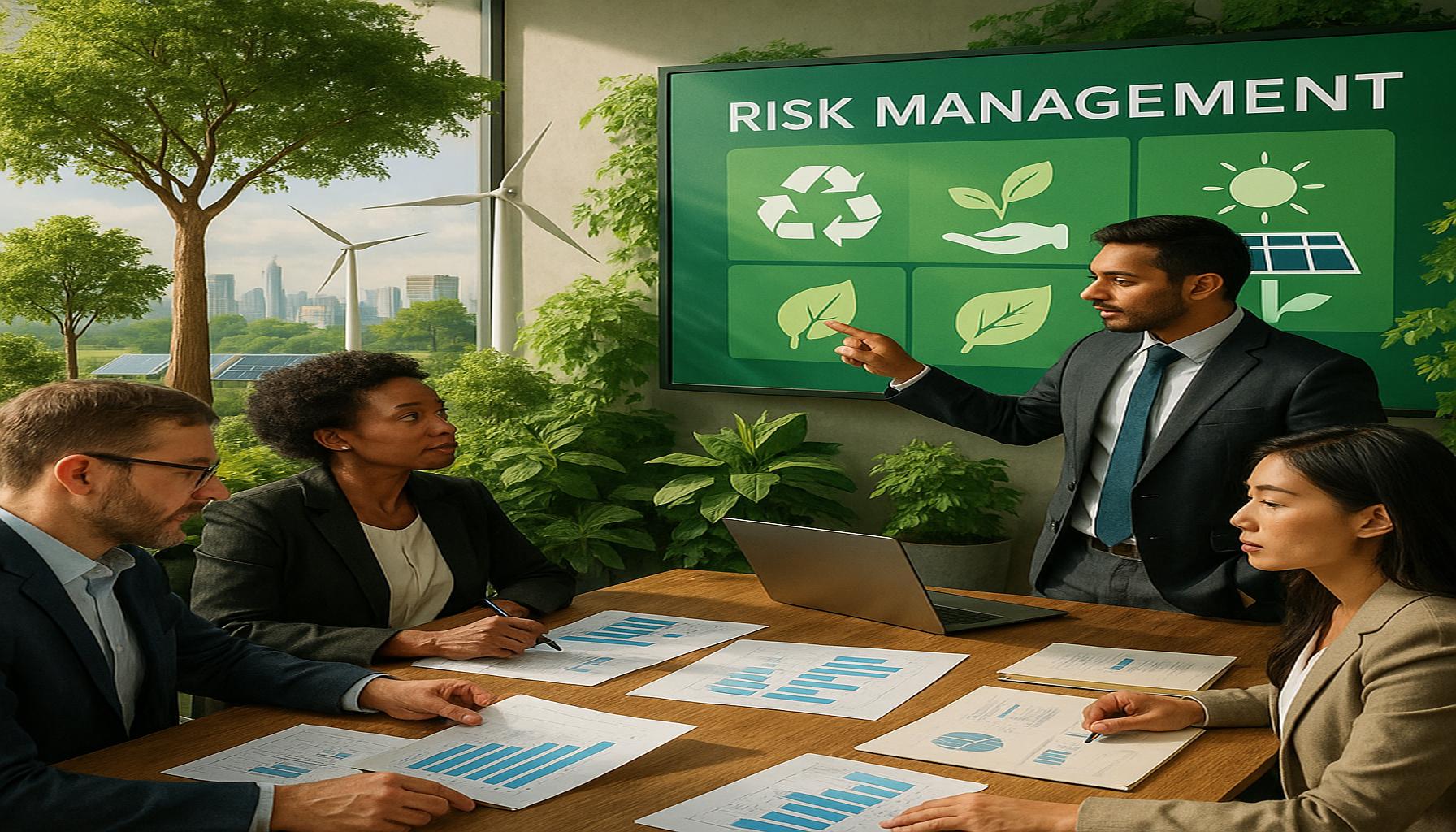
The Interplay of Finance and Sustainability
In today’s interconnected ecosystem, the harmony between economic success and environmental stewardship has never been more vital. Effective risk management encompasses more than just analyzing financial statements; it requires a profound understanding of how our choices affect the environment. This awareness opens the door to transformative actions that not only ensure profitability but also safeguard our planet for generations to come.
Understanding Environmental Impact
Consider the impact of every financial decision on our natural resources. For instance, every dollar spent on fossil fuels exacerbates resource depletion and pollution, contributing to climate change. In contrast, investments in renewable energy sources, like solar or wind power, can lead to sustainable growth while reducing greenhouse gas emissions. By reevaluating our spending habits, we can collectively shift toward a greener economy that prioritizes sustainable practices.
Emphasizing Corporate Responsibility
In the modern marketplace, corporate responsibility has transformed from merely a buzzword to a strategic necessity. Businesses committed to sustainable practices often find themselves in a position of advantage. For instance, companies like Patagonia have built strong reputations by prioritizing eco-friendly production methods. This approach not only attracts environmentally conscious consumers but also appeals to investors looking for sustainable investment opportunities. In the United States, the demand for companies that align with green principles is rising, showcasing the powerful intersection of financial acumen and environmental consciousness.
The Importance of Regulatory Compliance
Adhering to environmental regulations is crucial for organizations aiming to avoid legal and financial repercussions. As governments, such as the United States Congress, increase their focus on policies addressing climate change, businesses that proactively incorporate compliance strategies will be better positioned to thrive. For example, the EPA enforces regulations that, when followed, can help companies mitigate risks associated with environmental penalties while enhancing their long-term business viability.
Financial Strategies for Sustainability
Implementing sustainable practices not only promotes a healthier planet but also offers tangible benefits for businesses. By embracing green technologies and methodologies, organizations can reduce costs over time through energy efficiency and waste reduction. This, in turn, enhances their reputation in the eyes of consumers, building trust and loyalty. Moreover, addressing environmental concerns head-on allows firms to mitigate risks, avoiding potential disruptions caused by resource scarcity or environmental catastrophes.
As we navigate the complexities of the financial landscape, it is imperative to align our decisions with the principles of sustainability. This unified approach not only fosters a sense of responsibility but also empowers us to create a resilient future. By committing to financial strategies that benefit both people and the planet, we can pave the way for a thriving economy that prioritizes ecological well-being as much as profit. Join this movement today—let us invest in a brighter future for all.
DISCOVER MORE: Click here for in-depth insights
Building a Sustainable Financial Future
As the urgency of environmental issues escalates, it’s vital for businesses to recognize that effective risk management is symbiotic with sustainable financial practices. By integrating environmental considerations into their financial strategies, organizations not only enhance their long-term viability but also contribute positively to the world around them.
Integrating Sustainability into Business Models
The journey towards a resilient economy begins with reimagining traditional business models. Companies are now challenged to think beyond profits and instead focus on how their operations align with sustainability. This involves reevaluating production processes, supply chains, and resource management. For example, businesses can:
- Adopt circular economy principles: By designing products that can be reused or recycled, companies can minimize waste and extend the lifecycle of their materials.
- Invest in green technologies: Implementing innovations such as energy-efficient systems and sustainable materials reduces operational costs while promoting environmental health.
- Engage stakeholders: Involving employees, customers, and suppliers in sustainability initiatives fosters a culture of responsibility and accountability throughout the organization.
Companies that embrace these practices not only demonstrate a commitment to sustainability, but they also stand out in a competitive market. Consumers are increasingly loyal to brands that prioritize environmental responsibility, a trend that is reshaping consumer behavior across the United States. This connection between financial performance and sustainability leads to an enhanced brand reputation, unlocking new opportunities for growth.
Assessing Environmental Risks
To truly manage risks in a sustainable way, businesses must first understand the potential environmental threats they face. These can range from regulatory changes and reputational damage to physical risks associated with climate change, such as severe weather events. By conducting thorough environmental risk assessments, organizations can take proactive steps to mitigate these challenges. This involves:
- Identifying vulnerabilities: Assessing how different environmental factors might impact operations, profitability, and community relations.
- Establishing response plans: Developing contingency strategies that outline how to maintain operations in the face of environmental disruptions.
- Tracking progress: Implementing systems to measure and report on environmental performance to ensure continuous improvement.
As organizations build their understanding of environmental risks, they empower themselves to make informed decisions that not only benefit their bottom line but also safeguard the natural world. It’s a powerful reminder that sustainability is not merely a regulatory obligation but a strategic advantage that can drive innovation and growth.
Engaging in Responsible Investing
As investors become more aware of environmental issues, there is a growing demand for responsible investment strategies. Environmental, social, and governance (ESG) criteria are increasingly used by investors to evaluate potential investments. By aligning their investment portfolios with sustainable practices, businesses can attract forward-thinking investors while being part of a global movement towards sustainability.
In conclusion, integrating risk management with financial practices reflective of environmental responsibility is a journey worth undertaking. The alignment of these facets not only safeguards businesses against future risks but also cultivates a legacy of sustainability that will resonate for generations. As we collectively step forward into a new era of environmental consciousness, every financial decision holds the potential to serve both the economy and the planet in profound ways.
DISCOVER MORE: Click here to learn about economic trends that could impact your wallet</
Empowering Communities through Sustainable Finance
In this evolving economic landscape, businesses are recognizing that their impact extends far beyond their immediate operational boundaries. By prioritizing sustainable finance, organizations can foster community well-being while simultaneously managing risk. This creates a powerful synergy between financial performance and social responsibility; a relationship that not only enhances a company’s reputation but also solidifies its standing within the community.
Community Investments as a Risk Mitigation Strategy
Engaging in community investments goes hand-in-hand with effective risk management. Businesses can play a pivotal role in community development, particularly in areas susceptible to environmental risks. For example, companies can:
- Support local initiatives: By funding projects that promote clean energy, waste reduction, or conservation efforts, businesses not only help build resilience against climate change but also strengthen local economies.
- Partner with local organizations: Collaborating with nonprofits and community groups enables businesses to understand specific community needs and tailor their initiatives accordingly, ensuring a beneficial impact.
- Enhance workforce development: Investing in employee training programs that emphasize sustainability prepares the next generation for careers within green industries, ultimately driving economic growth while addressing environmental challenges.
Such investments lead to a more robust local economy, which in turn, can stabilize supply chains and reduce operational risks associated with community upheaval or dissatisfaction. This aligned approach renders businesses as active participants in sustainability, nurturing a shared journey towards resilience.
Transparent Reporting and Accountability
Transparency is a cornerstone of modern financial and sustainability practices. As stakeholders grow more discerning about the environmental impacts of their investments, businesses must adopt transparent reporting measures. This means regularly disclosing not only financial performance but also environmental and social impacts. Organizations can accomplish this by:
- Utilizing sustainability reporting frameworks: Models such as the Global Reporting Initiative (GRI) or the Sustainability Accounting Standards Board (SASB) offer guidance for measuring and communicating impact effectively.
- Incorporating stakeholder feedback: Engaging customers, suppliers, and the community in discussions about sustainability priorities fosters trust and accountability, allowing businesses to adapt and respond to stakeholder concerns.
- Showcasing progress: Highlighting achievements in sustainability initiatives enhances brand loyalty and can motivate other companies to follow suit, creating a ripple effect of responsible practices within the industry.
By holding themselves accountable through rigorous reporting, businesses not only solidify their commitment to sustainability but also enhance their credibility among consumers who are increasingly demanding responsible practices. This transparency drives both consumer trust and market competitiveness.
Leveraging Innovation for Sustainable Solutions
Innovation is critical when seeking to marry financial practices with environmental responsibility. Companies are leveraging technology and innovative business models to create impactful solutions that reduce their environmental footprint. For instance:
- Investing in renewable energy: Transitioning to solar, wind, or other renewable energy sources decreases dependence on fossil fuels, ultimately mitigating the financial risks tied to energy price fluctuations.
- Utilizing data analytics: By harnessing advanced data analytics, organizations can optimize resource allocation and identify inefficiencies in operations, leading to reduced waste and costs.
- Promoting sustainable sourcing: Committing to responsibly sourced materials not only minimizes environmental impact but also assures customers of ethical practices in the supply chain.
This commitment to innovation fosters a culture of continuous improvement, where businesses are not merely keeping pace with change but actively leading the charge towards a sustainable future. As the integration of sustainability into risk management principles becomes more widespread, we will continue to witness a transformative impact on both the economy and the planet. Each step taken towards this integration reflects a shared commitment to a better tomorrow for all.
DISCOVER MORE: Click here to create your effective budget
Conclusion
The convergence of risk management and sustainability forms a critical foundation for a prosperous future where businesses not only thrive economically but also contribute positively to the environment and society. As we have explored, sustainable finance is more than a mere trend; it is an essential framework that empowers organizations to recognize their role in mitigating risks while nurturing communities. By investing in local initiatives, partnering with stakeholders, and committing to transparent reporting, businesses can build a reputation that resonates with increasingly conscious consumers.
Moreover, the embrace of innovation as a driver of sustainability positions companies to lead in the marketplace, showcasing how responsible practices can yield both financial success and environmental benefit. Companies that prioritize renewable energy, sustainable sourcing, and advanced technology will not only safeguard their operations against future uncertainties but also contribute meaningfully to the global goal of fostering a healthier planet.
As stakeholders begin to prioritize ethical considerations alongside profitability, the call to action is clear: organizations must act decisively, integrating financial practices with profound environmental responsibility. The journey towards sustainable risk management is not only about compliance; it is about creating lasting impact, enhancing community well-being, and ensuring that future generations inherit a world where growth and sustainability go hand in hand. Together, let us champion practices that build both resilient businesses and vibrant ecosystems, paving the way for a sustainable tomorrow.