
Investment Strategies in Times of Economic Uncertainty
Understanding the Current Financial Landscape
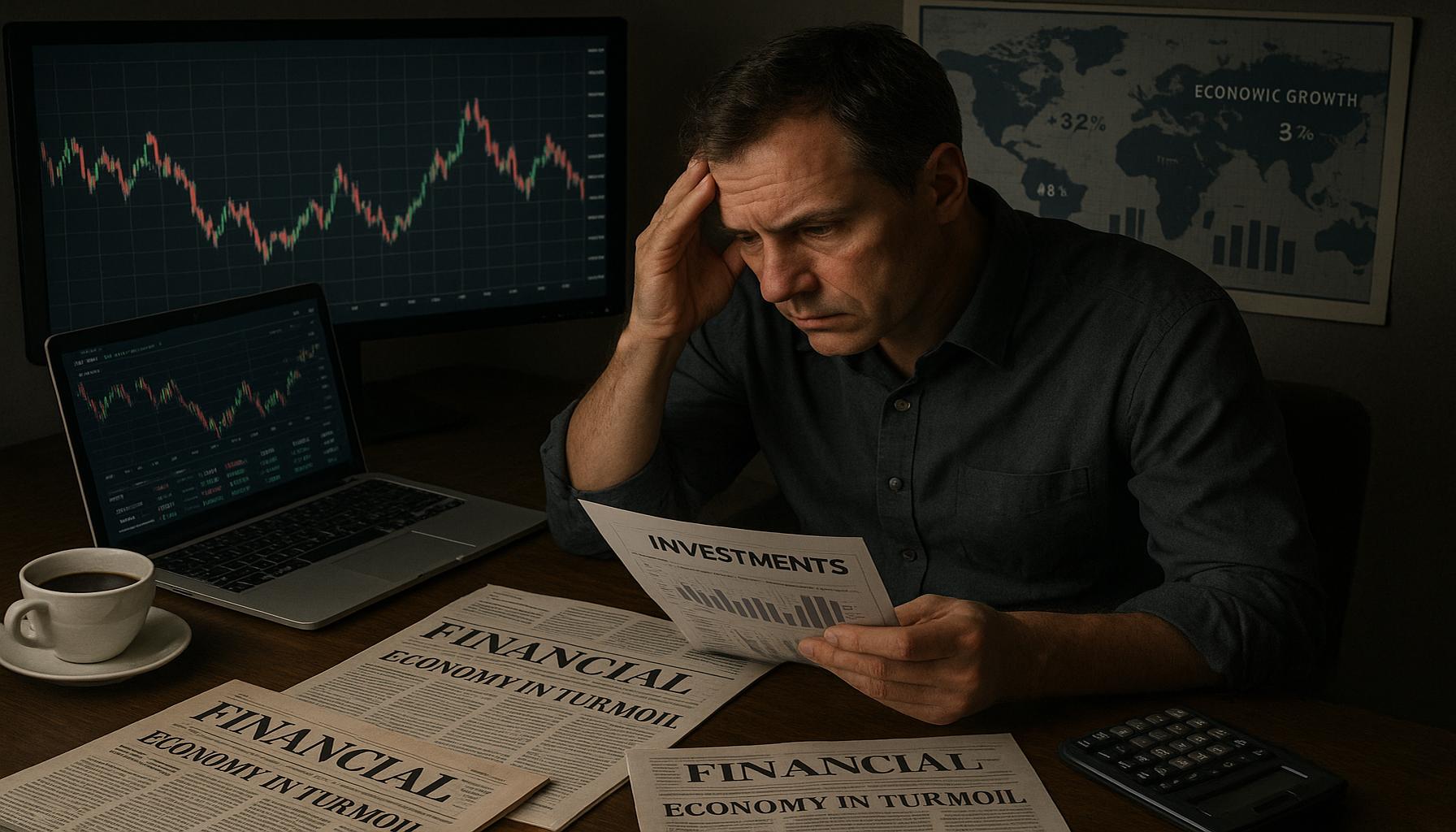
Today’s investors are navigating a world marked by swift changes and unpredictable events, making it essential to remain vigilant and proactive. Economic fluctuations, such as those stemming from inflation or interest rate hikes, can create anxiety for many. However, rather than succumbing to fear, it is crucial to embrace a calculated approach to investing—one that equips you to tackle challenges and seize opportunities. The right strategies not only help you withstand tests but can also set you on a path to achieving your financial goals.
Key Investment Strategies to Consider
To demystify complex market conditions, here are some effective investment strategies that can anchor your decisions:
- Diversification: One of the fundamental principles of investing is spreading your assets across various categories, such as stocks, bonds, real estate, and even commodities like gold. This approach can mitigate potential declines in any one area. For example, if you have a downturn in the tech sector, your investments in healthcare or consumer staples may provide stability. As a result, your portfolio remains balanced and less vulnerable.
- Emergency Funds: Life is unpredictable, and having readily accessible funds can be a lifesaver during uncertain times. Experts recommend setting aside three to six months’ worth of living expenses in a high-yield savings account. This financial cushion can help you cover urgent costs without needing to sell your investments at an inopportune moment, allowing you to respond dynamically to market conditions.
- Defensive Stocks: In times of economic instability, consider investing in defensive stocks—companies that provide essential goods and services, like utilities or healthcare providers, which tend to have stable earnings. These companies are less sensitive to market swings and can provide consistent dividends, acting as a source of income even during downturns.
- Real Assets: Assets like real estate or commodities often maintain their value during inflationary periods. As prices rise, the value of physical properties and tangible commodities can increase as well. Investing in real estate, whether directly or through Real Estate Investment Trusts (REITs), can offer both cash flow and appreciation, positioning your portfolio for growth even when the overall market is teetering.
Building a secure financial future amid unpredictability involves not just reacting to market trends but proactively forming a strategy tailored to your unique aspirations and situation. The commitment to being informed, adaptable, and strategic will empower you to make decisions that align with your long-term vision. Remember, the goal isn’t merely to weather the storm but to emerge stronger and more prepared for the opportunities that lie ahead. Embrace these investment strategies with confidence, and let them guide you towards financial resilience and success.
DISCOVER MORE: Click here to learn about cashback benefits
The Importance of a Solid Investment Foundation
In uncertain economic climates, the savvy investor understands that having a well-structured financial plan is not just a luxury; it’s a necessity. A strong foundation in investing isn’t built overnight; it requires patience, knowledge, and a keen understanding of your financial landscape. Just as you would prepare your home to withstand a storm, preparing your investment portfolio for turbulent times allows you to weather any financial squall. The essence of resilient investing lies in being proactive rather than reactive, ensuring that you’re always one step ahead of market volatility.
One fundamental aspect of investing is understanding your risk tolerance and aligning it with your investment choices. Investing during uncertain times doesn’t mean you should withdraw from the market entirely; rather, it’s about positioning yourself wisely. Let’s explore some essential guidelines to cultivate a robust investment strategy:
- Know Your Risk Appetite: Each investor has a unique threshold for risk, influenced by factors such as age, investment goals, and financial obligations. A younger investor may feel comfortable taking larger risks for the prospect of greater rewards, while someone nearing retirement might prefer safer, more conservative routes. Establishing where you stand on the risk spectrum empowers you to select investments that suit your emotional comfort and financial goals.
- Stay Informed: Knowledge is your greatest ally in turbulent times. Keeping abreast of economic indicators, market trends, and policy changes enables you to make informed decisions. Resources such as financial news websites, market analysis reports, and economic forecasts can provide vital insights that help you anticipate shifts and adjust your strategy accordingly.
- Regular Portfolio Rebalancing: Economic uncertainties can cause shifts in asset performance. Regularly reviewing and rebalancing your portfolio ensures it remains aligned with your investment strategy. It allows you to sell over-performing assets and buy those that have underperformed, often leading to smarter investment decisions in the long run.
- Invest in Quality: Focus less on chasing market trends and more on investing in quality companies or low-cost index funds that demonstrate stability and have a solid long-term track record. Such investments tend to weather economic storms better, making them attractive choices during unpredictable times.
Ultimately, investing in times of economic uncertainty requires a harmonious blend of risk management and strategic action. By committing to understanding your personal investment landscape and fostering a resilient approach, you are not merely a bystander watching the financial markets unfold; you become an active participant, shaping your financial future with intention. Embrace the uncertainty, use it as a stepping-stone to sharpen your investment acumen, and let your informed choices illuminate a path toward financial stability.
DISCOVER MORE: Click here to learn about the best card options in Norway</
Navigating Market Volatility with Strategic Investments
In the face of economic uncertainty, the potential for market volatility can feel overwhelming. However, it is during these very moments that the principle of diversification shines brightest. Diversifying your investment portfolio means spreading your investments across different asset classes, sectors, and geographic locations to minimize risk. By not allowing your financial fate to rest on a single investment or sector, you create a safety net that can absorb shocks when they occur. This can come in the form of balancing stocks with bonds, real estate, or even precious metals like gold, which can act as a hedge against inflation and currency fluctuations.
- Sector Rotation: Economic cycles ebb and flow, bringing different sectors into favor at different times. Understanding these cycles can give you a competitive edge. For instance, during downturns, defensive sectors such as utilities and healthcare often prove more resilient than cyclical sectors like consumer discretionary and technology. Keeping an eye on these trends allows you to pivot your investments as necessary.
- Utilizing Dollar-Cost Averaging: One effective strategy in volatile times is dollar-cost averaging, which involves consistently investing a fixed amount, regardless of market conditions. This approach tempers the effects of market fluctuations, allowing you to buy more shares when prices are low and fewer when prices are high. By focusing on a long-term strategy rather than the day-to-day market swings, you can alleviate emotional stress associated with market downturns.
- Considering Alternative Investments: In uncertain economic climates, traditional markets may become increasingly unpredictable. This is where alternative investments, such as real estate or commodities, can play a significant role in bolstering your portfolio. These assets often move independently of stock markets, providing valuable diversification that could help protect your investments.
- Utilizing Tax-Advantaged Accounts: Another prudent strategy is to maximize contributions to tax-advantaged accounts such as 401(k)s or IRAs. It’s not only about building wealth but also about preserving it. Investing in these accounts allows your investments to grow tax-deferred, magnifying your potential returns over time, and better equipping you to face economic uncertainties.
Furthermore, the role of emotional intelligence cannot be understated. Investing inherently comes with risk, and it’s easy to become overwhelmed by fear during market downturns. Cultivating a mindset focused on long-term goals rather than short-term losses helps maintain discipline and clear decision-making. Remember, successful investors are those who possess the fortitude to stay the course even when the market tempests rage. This is often where true wealth is built, not through panicked selling but through measured patience and strategic planning.
Finally, consider seeking guidance through a reputable financial advisor who can tailor advice to your specific situation. They can provide an objective perspective and connect you with emerging opportunities that resonate well with your financial aspirations and risk tolerance. Investing in your financial education by attending workshops or reading authoritative literature on market trends can also empower you to make more informed decisions.
With determination and a strategic approach to investing, you can navigate the choppy waters of economic uncertainty. Embrace the challenge and view it as an opportunity to enhance your financial acumen and resilience.
DISCOVER MORE: Click here for more insights
Embracing Opportunity Amidst Uncertainty
As we conclude our examination of investment strategies during periods of economic uncertainty, it becomes clear that navigating these turbulent waters requires both foresight and adaptability. The key takeaway is that a well-diversified portfolio acts as your safety net, protecting you from the shocks that accompany volatile markets. By incorporating strategies such as dollar-cost averaging and sector rotation, you position yourself to seize opportunities even when the economic landscape appears daunting. Remember, it is paramount to remain aware of the broader economic cycles and to pivot your investments accordingly.
The inclusion of alternative investments not only enhances diversification but also provides a buffer against unpredictable market movements. Furthermore, leveraging tax-advantaged accounts can significantly bolster your long-term wealth, ensuring that your investments grow uninterrupted by taxation. However, the most critical asset is your emotional intelligence; it guides your decision-making and keeps panic at bay, allowing you to remain focused on achieving your financial goals.
In the end, the true test lies not just in the strategies employed, but in the mindset you cultivate. View economic uncertainty as a gateway to growth and learning, and take proactive steps towards enhancing your financial literacy. Seek advice when needed, and stay committed to building a resilient financial future. By approaching each market challenge with determination and strategic insight, you lay the groundwork for lasting success and financial security, transforming uncertainty into opportunity.