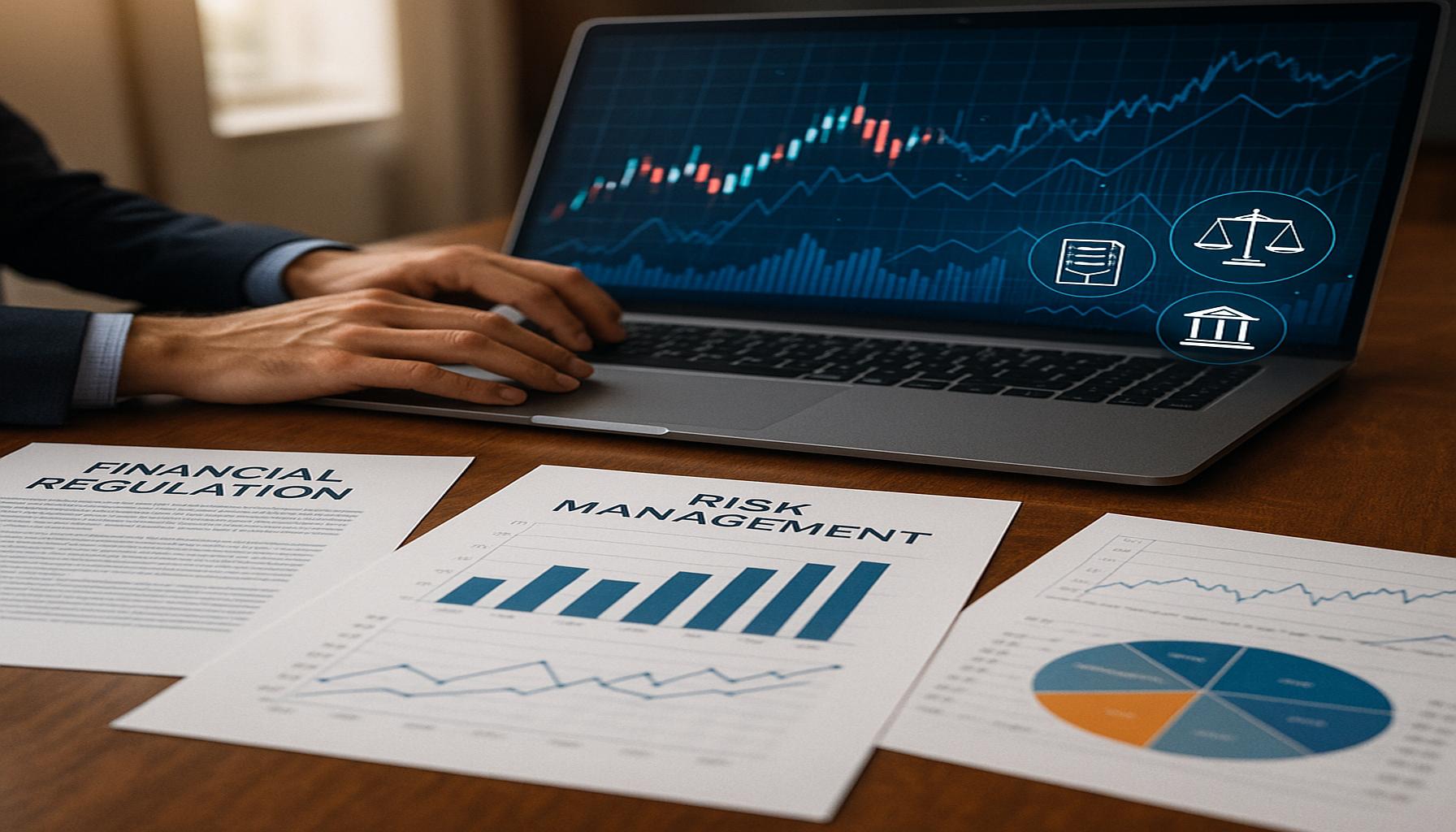
Emerging Trends in Risk Management: Impact of Technology and Data Analysis

The Shift in Financial Risk Management
In an era marked by unprecedented financial challenges and opportunities, organizations must embrace innovative approaches to risk management. With the rise of advanced technologies, businesses are not merely surviving but thriving by making informed choices that harness the potential of the digital age. This unique blend of risk navigation and opportunity cultivation requires a proactive mindset and a commitment to adapting to fast-paced changes in the financial sector.
Consider the transformative impact of technology on risk management, where cutting-edge tools redefine how businesses perceive and address potential threats:
- Artificial Intelligence (AI): AI enhances predictive analytics, enabling companies to create more accurate forecasts. For instance, financial institutions are using machine learning algorithms to analyze historical data, allowing them to predict market fluctuations and customer behavior more effectively. This capability not only mitigates risks but also positions businesses to capitalize on market opportunities before competitors do.
- Blockchain: The implementation of blockchain technology ensures improved transparency and security in transaction records. By creating immutable ledgers, organizations can significantly reduce fraud and improve confidence in financial interactions. For example, companies like IBM have successfully utilized blockchain to enhance supply chain transparency, enabling better risk assessments and traceability for all parties involved.
- Big Data: The ability to analyze vast datasets has become a cornerstone of modern risk management. Organizations can now identify emerging risks and trends by examining consumer data, social media activity, and market conditions. Businesses that leverage big data are better equipped to respond to changes in customer preferences and market dynamics, allowing for timely strategic adjustments.
The impact of these technological advancements extends beyond risk management; they significantly enhance decision-making processes. Recognizing this reality can empower organizations to achieve sustainable growth:
- Informed Choices: By leveraging insightful data analytics, organizations can minimize exposure to risks and make well-informed strategic decisions. This practice can lead to more confident investments, improved customer relationships, and greater overall profitability.
- Real-time Monitoring: The incorporation of real-time data feeds allows businesses to adapt their strategies quickly in response to market changes. Companies that can pivot swiftly are often the ones that emerge stronger from challenges, reinforcing their competitive edge.
- Collaborative Tools: Enhanced communication among stakeholders fosters unified responses to identified risks. With tools that facilitate collaboration, teams can share insights and devise comprehensive strategies to tackle potential threats collectively.
By wholeheartedly embracing these technological advancements, organizations empower their workforce and foster a culture of proactive engagement and resilience. In a world where the only constant is change, financial decision-makers must equip themselves with the tools and knowledge to thrive amidst uncertainty.
As you explore these trends in financial risk management, reflect on how you can implement them within your own financial strategies. Recognize that the journey toward a more resilient future is not just about risk aversion; it’s about actively pursuing growth and embracing innovation as a catalyst for success.
LEARN MORE: Click here for insights on inflation’s impact</a
Harnessing Technology for Proactive Risk Management
The landscape of financial risk management is evolving at a breathtaking pace, driven predominantly by technological advancements. Organizations that embrace this shift not only enhance their ability to navigate risks but also unlock new opportunities for growth. Today’s businesses must leverage modern tools and methodologies to stay ahead in an increasingly unpredictable environment. Here, we explore how embracing technology and data analysis fosters resilience and agility in risk management practices.
Cloud Computing: One of the most significant technological shifts in risk management has been the adoption of cloud computing. This innovation allows organizations to store, share, and access critical data from anywhere, promoting collaboration and efficiency. With on-demand access to powerful analytical tools, financial teams can quickly evaluate potential risks across various scenarios, ensuring they’re prepared to make informed decisions in real time. For example, companies in the United States have begun utilizing cloud platforms to secure sensitive data and reduce vulnerabilities, allowing for better risk assessment without sacrificing operational efficiency.
Predictive Analytics: As we dive deeper into data-driven decision-making, predictive analytics emerge as a powerful tool for identifying potential risk factors before they escalate. By harnessing historical data and employing sophisticated algorithms, businesses can develop models that predict future outcomes. This capability is invaluable in sectors like banking and insurance, where timely risk detection can make a world of difference. Many organizations have reported that predictive analytics have not only mitigated financial losses but have also led to the discovery of new market opportunities.
To effectively implement these technological innovations, organizations must understand the multifaceted impact they can have on risk management. Here are several key benefits:
- Enhanced Risk Identification: Through continuous monitoring and real-time data analysis, organizations can detect risks early, allowing for timely and effective responses.
- Cost Reduction: Automating routine risk assessments and responses can lead to significant cost savings, freeing up valuable resources for strategic initiatives.
- Improved Compliance: Advanced tools facilitate tracking regulatory changes and compliance requirements, which is crucial for organizations operating in highly regulated industries.
The combination of technology and data analysis empowers organizations to cultivate a risk-aware culture. By proactively integrating these tools into their processes, companies strengthen their ability to respond to emerging challenges while maintaining a focus on sustainable growth.
As we continue our exploration of emerging trends in risk management, it’s essential for leaders and stakeholders to recognize the profound impact of technology. The ability to anticipate and adapt to risks will not only ensure business continuity but also position companies to thrive in an uncertain landscape. In this journey, remember that **the road to resilient risk management is paved with innovation and informed decisions.** Encourage your organization to embrace these technologies and transform potential threats into stepping stones toward success.
DISCOVER MORE: Click here to learn about eco-friendly credit card options
Integrating Artificial Intelligence into Risk Management
Artificial Intelligence (AI) is revolutionizing the way organizations approach risk management by providing advanced solutions that enhance decision-making and efficiency. By utilizing machine learning algorithms, businesses can synthesize vast amounts of data to uncover patterns and insights that were previously hidden. This leap forward allows risk managers to not only identify vulnerabilities but also to forecast potential risks with an unprecedented level of accuracy.
Real-Time Risk Assessment: One of the key benefits of incorporating AI into risk management practices is the ability to perform real-time risk assessment. This feature enables organizations to adapt quickly to changing landscapes, such as market fluctuations or emerging threats, ensuring that they are always prepared. For instance, financial institutions are increasingly relying on AI-driven dashboards to monitor transaction patterns and detect anomalies. This swift response capability can mean the difference between a minor disruption and a severe financial crisis.
Improved Decision-Making: AI not only aids in risk identification but also significantly enhances the decision-making process. By employing AI tools that analyze risk scenarios based on multiple variables, risk managers can simulate various outcomes and assess the potential impact on their organization. This predictive capability empowers leaders to make informed decisions, mitigations become strategic, rather than reactive, fostering a culture of proactive risk management.
Moreover, as AI becomes more integrated into daily operations, it eliminates biases often present in human judgment, providing a more objective assessment of risks. This fosters accountability and transparency within the organization, enabling stakeholders to confidently navigate the complexities of their risk landscapes.
Data-Driven Strategies for Mitigating Risks: There is a growing realization that data is the new oil, particularly in the realm of risk management. Organizations that prioritize data collection and analysis can formulate strategies that not only mitigate risks but also enhance their overall performance. With historical data at their fingertips, businesses can identify trends and anomalies that inform risk management strategies, allowing them to stay ahead of potential threats.
- Customized Risk Profiles: Utilizing advanced analytics, organizations can create tailored risk profiles that reflect their unique operating environments and market conditions. This personalization allows for a more nuanced understanding of risk exposures, leading to targeted interventions.
- Enhanced Scenario Planning: Organizations can model a variety of potential scenarios using data-driven insights, preparing them to face a range of challenges. This level of preparedness instills confidence among stakeholders, knowing that proactive measures are in place.
- Greater Collaboration: Sharing data and risk information across departments and with external partners fosters a more holistic view of risk. When organizations work together, leveraging insights gathered from diverse perspectives, they can devise comprehensive strategies that keep them resilient.
As we delve deeper into the digital age, the integration of AI and advanced data analytics in risk management is not merely an option; it is a necessity. Organizations that harness these tools are better equipped to navigate an increasingly volatile environment, safeguarding their assets and ensuring long-term sustainability. Remember, embracing technology in your risk management practices isn’t just about mitigating negatives; it’s about unlocking your potential to thrive and innovate even amid uncertainty.
DISCOVER MORE: Click here to learn about personal loans in Norway
Conclusion
As we have explored the transformative effects of technology and data analysis on risk management, it is clear that these emerging trends are redefining how organizations operate in today’s complex landscape. The dawn of AI integration facilitates more precise assessments, allowing institutions to not only identify potential vulnerabilities in real-time but also create tailored risk profiles that address their specific challenges. With data being heralded as the new oil, companies equipped with robust analytical tools can navigate uncertainties with greater agility and foresight.
Moreover, the emphasis on data-driven strategies, enhanced collaboration, and proactive scenario planning fosters an environment where organizations can confidently address risks while capitalizing on opportunities. This proactive shift towards risk management does not merely eliminate potential threats; rather, it becomes a catalyst for innovation, growth, and resilience.
In today’s rapidly evolving business environment, adopting advanced technologies is not just a choice; it is an imperative for survival and success. As you consider your own risk management practices, remember that embracing these innovations can unlock your organization’s full potential, ensuring it not only withstands volatility but emerges stronger than ever. The journey towards a more resilient future is underway, and those who lead the charge in integrating technology into their risk mitigation strategies will undoubtedly thrive amidst uncertainty.