Credit Cards and Security: How to Protect Your Financial Information
Understanding Credit Card Security
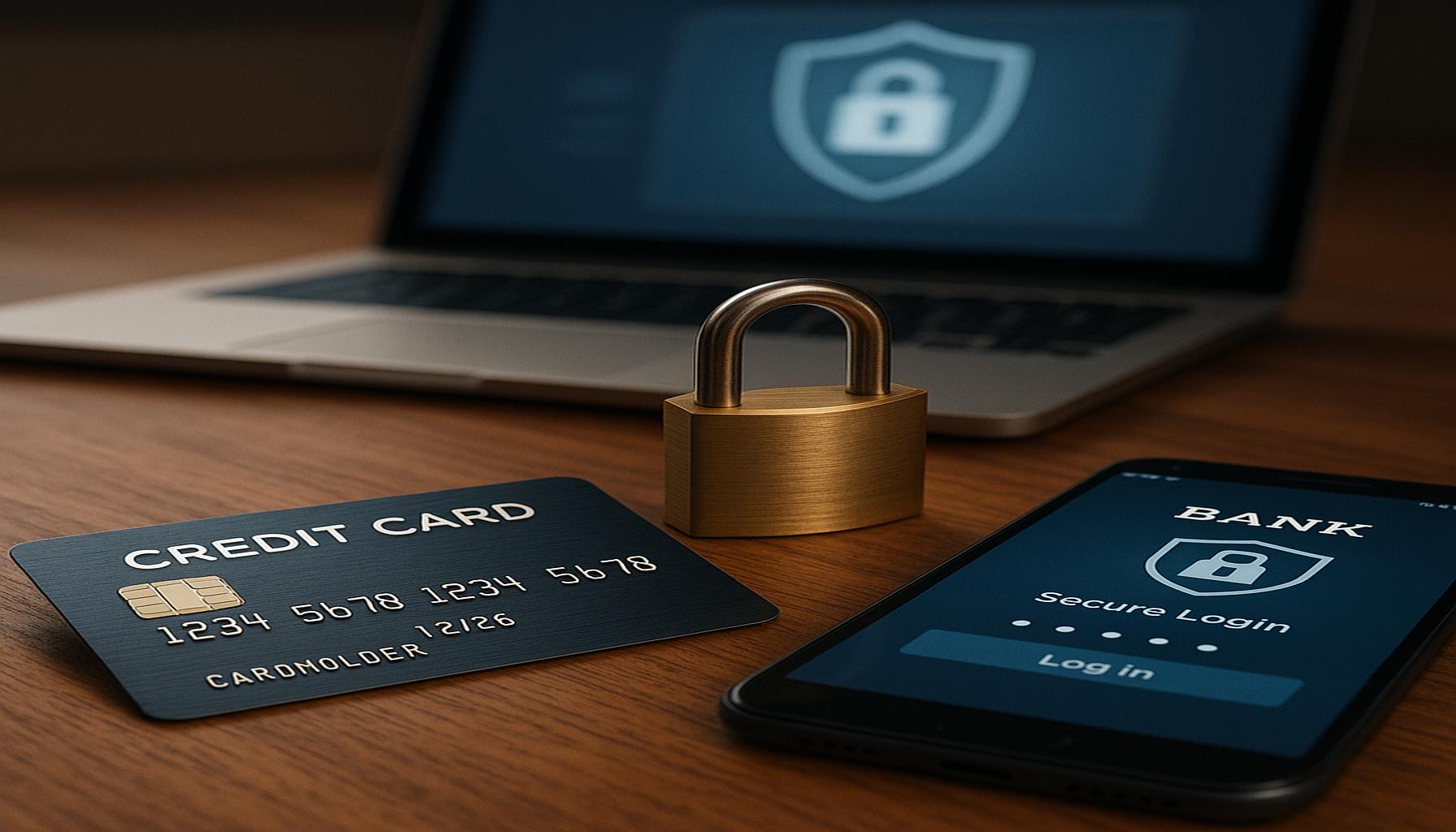
In a world where online transactions and digital payments are the new norm, the risks associated with credit card usage have evolved tremendously. The convenience of making purchases with just a swipe or a tap comes with the responsibility of protecting ourselves against potential financial threats. As we embrace these advancements in personal finance, it’s crucial to prioritize credit card security, ensuring that our sensitive information remains safe and our financial health intact.
Why Security Matters
The increasing cases of identity theft and credit card fraud highlight the importance of being vigilant in safeguarding our financial information. According to recent studies, millions of Americans fall victim to fraudulent transactions each year, costing them both time and money. The emotional toll that comes from experiencing financial fraud can be overwhelming, adding unnecessary stress to your life. This makes it even more vital to adopt proactive measures to protect your assets.
Simple Tips for Enhancing Credit Card Security
- Use Two-Factor Authentication: Enable two-factor authentication (2FA) whenever possible. This adds an extra layer of security by requiring not only your password but also a second form of validation, such as a text message or an email confirmation. For example, many banks and online retailers like Amazon offer this service, making it more difficult for fraudsters to access your account.
- Monitor Your Accounts Regularly: Make it a habit to review your credit card statements frequently. Any unauthorized transactions should be reported immediately. Setting up alerts for transactions can also help you stay informed about your spending and can quickly catch any suspicious activity.
- Secure Your Information: Always use strong, unique passwords for your accounts, combining letters, numbers, and symbols. Avoid using easily guessed passwords such as birthdays or names. Password managers can help keep track of your credentials without sticky notes cluttering your workspace. Additionally, ensure that your computer and smartphones are equipped with up-to-date antivirus software to fend off malware that could compromise your personal data.
Be Proactive
Your financial health and peace of mind are too important to leave to chance. Taking these security measures not only protects your assets but also enables you to enjoy the benefits of credit cards—like cash back rewards, travel points, and convenient online shopping—without fear of fraud. When you take ownership of your financial security, you empower yourself to make informed decisions that can lead to a more rewarding financial future.
In conclusion, awareness and action are your best defenses against potential threats. By implementing these strategies and remaining vigilant, you can significantly reduce the likelihood of falling victim to fraud, ensuring that your financial journey is smooth and secure.
DISCOVER MORE: Click here for detailed insights
Essential Practices for Safeguarding Your Credit Card Information
As we navigate through an era where credit cards serve as our primary mode of transaction, it becomes increasingly important to take the necessary steps to protect our financial information. Beyond simply purchasing items, our credit card details serve as a gateway to our financial identity. With that in mind, adopting a mindset of responsibility and vigilance is essential. By implementing effective practices to secure your credit card, you can significantly reduce the risk of fraud and theft, allowing you to embrace the benefits of credit without constant worry.
Recognizing Red Flags
One of the first steps in enhancing your credit card security is to educate yourself about the signs of potential fraud. Awareness can be your strongest ally in this digital landscape. Here are some common red flags to watch for:
- Unfamiliar Transactions: Always scrutinize your statement for any charges that seem out of place. Even small, unexpected transactions may be indications of fraudulent activities.
- Phishing Attempts: Be cautious of emails, texts, or phone calls purporting to be from your bank or credit card company. Fraudsters often create messages that are strikingly convincing to lure you into providing personal information.
- Unusual Account Behavior: If you receive notifications about changes to your account that you did not initiate, including login attempts from unfamiliar devices or locations, take immediate action to secure your account.
Create a Secure Digital Environment
Security extends beyond just monitoring transactions; it’s about creating a safe digital environment. Start by ensuring that your devices are equipped with the latest security updates. Regularly updating your operating systems and software helps patch vulnerabilities that cybercriminals may exploit. Additionally, avoid accessing your financial accounts over public Wi-Fi networks, as these can be breeding grounds for hackers looking to intercept your data. Instead, use a secure, private connection whenever possible.
Utilize Secure Payment Methods
Incorporating secure payment methods into your financial routine can further bolster your protection against fraud. Consider using virtual credit cards or payment services that mask your actual credit card number when making online purchases. This adds an extra layer of anonymity and security, helping to protect your sensitive information from prying eyes. Services like Apple Pay and Google Wallet offer encrypted payment options that can help you shop with peace of mind.
By embracing these practices and recognizing the indicators of potential threats, you not only safeguard your financial information but also cultivate a proactive mindset when managing your credit cards. Remember, the goal is to enjoy the numerous conveniences associated with credit card use while ensuring that your financial health remains uncompromised. Taking these steps today empowers you to enjoy your finances tomorrow without fear or hesitation.
DIVE DEEPER: Click here to learn more
Implementing Advanced Security Measures
While the essential practices discussed earlier are foundational to maintaining security, you can take your protection a step further by implementing advanced security measures designed to enhance your credit card safety. As technology evolves, so do the tactics employed by cybercriminals. Adapting to this environment means being proactive rather than reactive.
Enable Two-Factor Authentication
One of the most effective ways to bolster your financial security is to enable two-factor authentication (2FA) on your financial accounts whenever possible. This added security layer requires not only your password but also a second form of verification—such as a code sent to your mobile phone or email. By implementing 2FA, you significantly reduce the chances of unauthorized access, even if your password is compromised, giving you greater peace of mind.
Utilize Strong and Unique Passwords
It may sound simple, but the strength of your passwords plays a crucial role in your overall security. Avoid using easily guessable passwords, especially those that include personal information such as birthdays or names. Instead, opt for long, complex passwords that combine uppercase letters, lowercase letters, numbers, and symbols. Additionally, consider using a password manager to keep track of your various passwords securely, ensuring that each account has a unique password for maximum security.
Monitor Your Credit Report Regularly
Staying informed about your credit profile is another effective strategy for detecting fraud early. In the United States, consumers are entitled to one free credit report each year from each of the three major credit bureaus—Equifax, Experian, and TransUnion. Regularly reviewing your credit report enables you to identify unauthorized accounts or inquiries that could signal identity theft. Take advantage of these free reports and remain vigilant about any discrepancies.
Be Wary of Mobile Payment Applications
Mobile payment applications offer convenience, but they also come with their own set of risks. When using these apps, ensure that they are reputable and have strong security measures in place. Look for features such as encryption and strong user authentication. Avoid linking your credit card directly to any mobile payment app unless you trust its security protocols. Consider linking a separate bank account or a prepaid card to limit potential exposure.
Stay Educated and Informed
Knowledge is indeed power, and staying educated about the latest trends in cyber threats can dramatically improve your protective measures. Subscribe to alerts from your bank or credit card companies regarding security breaches or potential issues. Furthermore, familiarize yourself with the common tactics employed by scammers, such as social engineering and identity theft tactics. By being well-informed, you prepare yourself to detect and avoid potential risks before they compromise your financial security.
Above all, remember that security requires continuous effort. By implementing these advanced measures and fostering a culture of security awareness, you not only shield yourself from immediate threats but also enjoy the confidence that comes with knowing you are taking proactive steps to protect your financial well-being. Embrace these security strategies as part of your financial lifestyle, reinforcing your commitment to safeguarding your financial identity in a world where vigilance is key.
DON’T MISS: Click here to learn about the common credit card mistakes to avoid
Conclusion
In an increasingly digital world, the importance of protecting your credit card information cannot be overstated. With a proactive approach to security, you can significantly reduce the risk of becoming a victim of fraud. Implementing measures such as two-factor authentication, creating strong and unique passwords, and regularly monitoring your credit report will empower you to take charge of your financial safety. Each of these strategies forms a crucial part of a comprehensive defense against identity theft and financial loss.
Moreover, the importance of staying informed about the evolving tactics of cybercriminals cannot be overlooked. By continuously educating yourself about potential risks and being wary of mobile payment applications, you equip yourself with the knowledge needed to navigate the digital landscape safely. Remember, adhering to best practices in security is not merely an option; it is a necessary aspect of responsible financial management.
Ultimately, the key to successfully safeguarding your financial information lies in your commitment to vigilance and proactive measures. By embracing these strategies, you can cultivate a secure financial environment for yourself and those you care about. Take the first step today—invest in your financial future by prioritizing security and making informed choices. As you foster a habit of caution and awareness, you will find greater confidence in your financial endeavors, knowing you are equipped to face the challenges of an ever-changing landscape.