Comparison between Credit Cards and Debit Cards: Which is the Best Option for Your Finances?
Understanding Your Financial Tools
In today’s fast-paced world, making the right financial choices is more important than ever. As you navigate your spending, understanding the differences between credit cards and debit cards can empower you to take control of your finances.
Both cards have unique features that cater to different financial needs. Let’s delve deeper into what makes these financial tools stand out in their own ways:
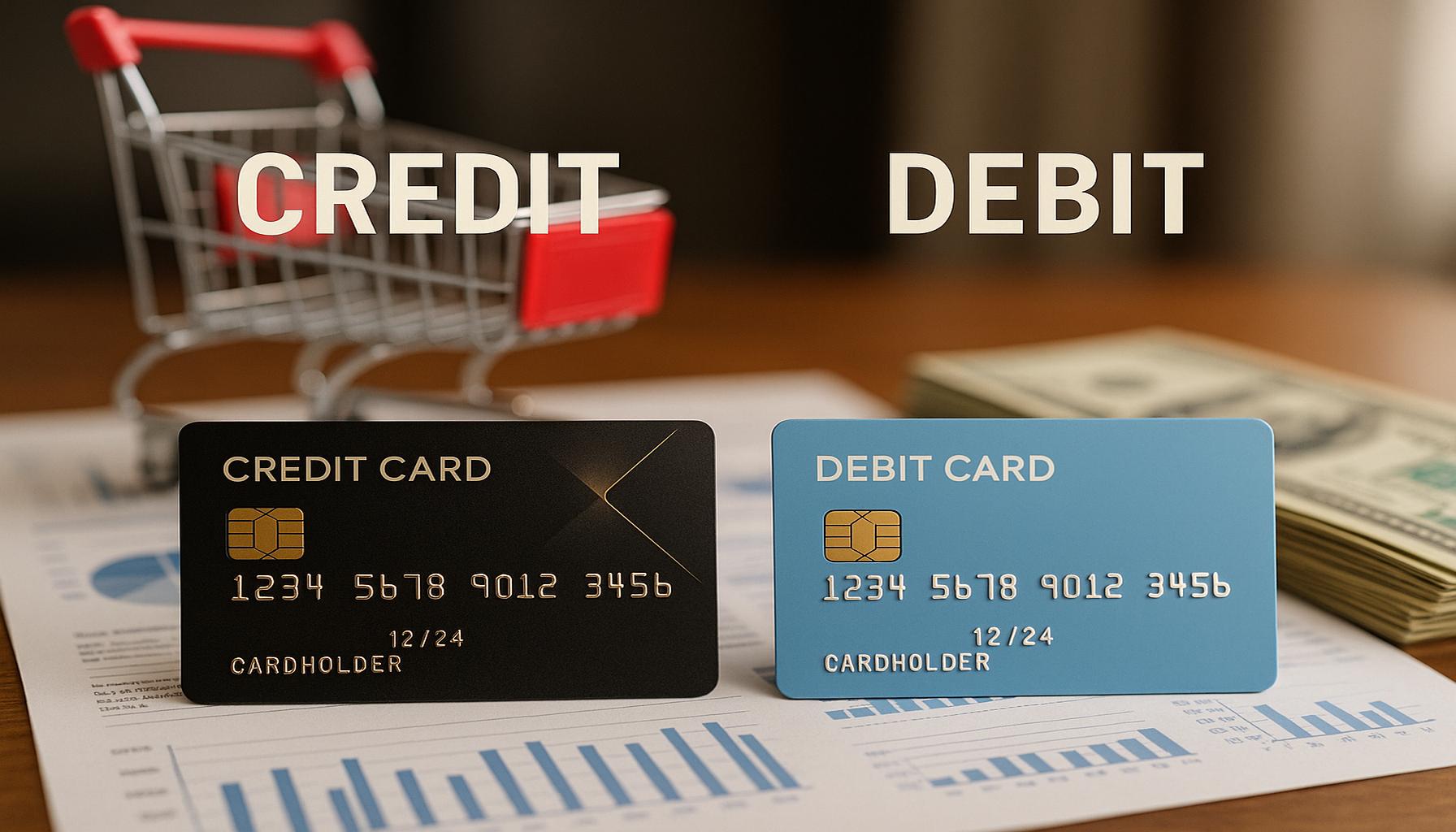
- Credit Cards: These cards allow you to borrow money up to a certain limit, typically determined by your creditworthiness. This borrowing capacity gives you flexibility in payments but comes with the responsibility of paying back the borrowed amount. For instance, if you have a credit card with a $5,000 limit, you can make purchases up to that amount, making it easier to handle unexpected expenses, such as car repairs or medical bills. However, it’s vital to remember that carrying a balance can lead to interest charges, which can accumulate if payments are not made by the due date.
- Debit Cards: These cards directly withdraw funds from your checking account, strictly limiting your spending to the money you have at that moment. This feature promotes responsible spending because it helps you avoid operating on borrowed money. When you use your debit card at a grocery store, for example, the amount is immediately deducted from your account, preventing the cycle of debt. For individuals focusing on budgeting, debit cards can be a practical choice, as they help track spending in real-time.
Choosing the right card can significantly impact your financial health. Several factors should guide your decision:
- Rewards and Benefits: Many credit cards offer enticing rewards such as cashback, travel points, or discounts on future purchases. For example, some cards give you 2% back on groceries or 5% on travel expenses. If you’re a frequent traveler, accumulating points could lead to discounted flights or hotel stays, turning everyday purchases into valuable rewards.
- Fees and Interest: It’s crucial to understand the fee structure associated with both card types. Debit cards typically have fewer fees, but be aware of potential ATM withdrawal fees or monthly service fees. On the other hand, credit cards may charge annual fees and interest rates that can rise significantly if you carry a balance. Keeping your credit card paid off each month allows you to reap the rewards without the pitfalls of interest.
- Building Credit: Using credit cards responsibly can be a powerful tool for building your credit score. Making timely payments and keeping your credit utilization low—generally below 30% of your limit—will positively influence your credit history. A strong credit score is beneficial in many financial decisions, from securing a mortgage to obtaining favorable interest rates on loans.
Being informed about these options helps you align them with your personal goals and values. Whether you are looking to build credit, manage your everyday expenses, or earn rewards, understanding the nuances of credit and debit cards is essential. Taking a closer look at how both cards function will lead you to make decisions that enhance your financial well-being. Remember, the path to financial empowerment begins with knowledge and conscious choices, so take control of your spending habits and craft a future that aligns with your dreams and aspirations.
DIVE DEEPER: Click here to discover market trends and investment opportunities
Making Informed Financial Choices
When it comes to managing your finances, understanding the distinct characteristics of credit cards and debit cards is crucial for aligning your spending habits with your financial goals. Both card types come with their own set of advantages and disadvantages, and knowing these can empower you to make informed decisions that benefit your lifestyle.
The Power of Credit Cards
Credit cards offer the flexibility to make purchases on borrowed money, typically up to a certain limit based on your creditworthiness. This feature can be particularly advantageous when you’re faced with unforeseen expenses, allowing you to manage larger transactions without immediate cash availability. For example, if your car unexpectedly breaks down, having a credit card can enable you to cover the repair costs without depleting your savings. However, it’s vital to approach credit cards with caution. Many individuals fall into the trap of overspending, and carrying a balance can lead to high-interest charges that accumulate over time. To avoid these pitfalls, it’s essential to create a strategy that includes paying your balance in full and on time each month, thus allowing you to enjoy the benefits without falling into debt.
The Dependability of Debit Cards
On the other hand, debit cards provide a grounded approach to spending by allowing you to use only the funds available in your checking account. This aspect can serve as a safeguard against overspending and accumulating debt, as any transaction results in an immediate deduction from your balance. For those who struggle with budgeting or need help resisting impulsive purchases, debit cards can be instrumental in fostering disciplined spending habits. Imagine walking into a store knowing you can only buy what you have in your account; this limitation helps you prioritize needs over wants and promotes financial mindfulness.
Key Considerations for Choosing the Right Card
As you weigh the options between credit and debit cards, a few essential factors come into play, guiding your financial journey:
- Rewards and Incentives: Many credit cards come with enticing rewards programs, offering cash back, travel points, or discounts on purchases which can turn your everyday spending into future travel opportunities or savings. If you frequently travel or dine out, these rewards can significantly enhance the value of your expenses.
- Fees Incurred: Understanding the fee structures associated with both card types is critical. Debit cards often have fewer fees but can incur costs for ATM withdrawals or maintenance. Credit cards, while potentially offering rewards, may charge annual fees or high-interest rates if balances are not paid off in full.
- Impact on Credit Score: Using a credit card responsibly can help you build your credit score, a critical factor for future loan applications or mortgages. Timely payments and low credit utilization reflect positively on your credit history, which can lead to favorable financial opportunities down the road.
Ultimately, the choice between a credit card and a debit card should align with your financial goals, spending habits, and personal values. Take the time to assess your situation and what you aim to achieve with your finances, as this self-awareness will guide you toward making responsible and conscious financial decisions.
DISCOVER MORE: Click here to learn the differences
Understanding the Risks and Responsibilities
It’s essential to recognize that both credit cards and debit cards come with inherent risks that can impact your financial well-being. By understanding these risks, you can take proactive measures to safeguard your finances and make decisions that serve your long-term goals.
Credit Card Risks: A Double-Edged Sword
While credit cards can provide a safety net during emergencies or unexpected expenses, they can also lead to a slippery slope of accumulating debt if used irresponsibly. The allure of a credit limit can tempt individuals to spend beyond their means, leading to a cycle of payments and interest that feels overwhelming. It’s important to critically examine your relationship with money and ask yourself: Are you using credit as a tool for growth, or are you allowing it to dictate your lifestyle? Developing a firm budget and sticking to it can counteract these temptations. Pay attention to your spending patterns and establish clear limits. Setting automatic payments or reminders can help cultivate healthy habits that keep your finances in check.
Debit Card Pitfalls: Oversight and Convenience
Even though debit cards promote responsible spending by tying purchases to available funds, they’re not without their concerns. One significant risk associated with debit cards is fraud. If your card information is compromised, the thief can drain your checking account quickly before you even notice. Prompt reporting of any unauthorized transactions is necessary to mitigate losses, but you may be left without access to essential funds in the interim. This scenario underscores the need for vigilance; regularly monitoring your bank statements and setting up alerts for transactions can protect your hard-earned money.
The Benefits of Building Financial Literacy
Regardless of whether you choose a credit card or a debit card, fostering financial literacy is one of the most valuable investments you can make. Understanding the consequences of your choices empowers you to make financial decisions that align with your personal values and aspirations. Take advantage of resources available through reputable financial institutions, online courses, or community workshops to enhance your knowledge. Being educated on interest rates, credit scores, and banking fees can propel you toward a more secure financial future.
The Emotional Aspect of Financial Choices
In addition to the practical implications, it’s essential to consider the emotional aspect of using credit and debit cards. The perceived freedom of credit can be exhilarating, yet it’s often accompanied by hidden stress and anxiety stemming from the overwhelming feeling of managing debt. On the flip side, the conservative nature of debit cards can evoke feelings of security and stability. However, if it leads to a transaction denial or inadequacy at a crucial moment, it could lead to disappointment.
Recognizing these emotional triggers allows you to not only address your financial strategy but also your mental well-being. Sometimes, a simple change in perspective can open doors to healthier financial behaviors. Ask yourself: Does your spending reflect your values and priorities? By aligning your financial tools with your personal philosophy and goals, you create not just a budget, but a blueprint for your ideal financial life.
In summary, the ultimate decision between credit and debit cards hinges on personal finance management, careful consideration of risks, and an understanding of the emotional drivers behind your financial choices. Equip yourself with knowledge and awareness, and you will be well-prepared to navigate the complex world of financial spending.
DIVE DEEPER: Click here to uncover smart saving tips
Conclusion: Finding Your Financial Balance
In the exploration of credit cards versus debit cards, it becomes clear that the best option for your finances is not a one-size-fits-all answer. Each card type presents unique benefits and challenges that can significantly influence your financial decisions. While credit cards offer the potential for rewards and flexible spending, they also carry the risk of debt accumulation if mismanaged. On the other hand, debit cards promote responsible spending by drawing directly from available funds, but can expose you to risks such as fraud and overdraft fees.
Your choice should ultimately be guided by a deep understanding of your spending habits, financial goals, and emotional relationship with money. It’s crucial to ask yourself how each card aligns with your values and financial aspirations. Building a solid foundation in financial literacy will empower you to navigate these options with confidence. Take the time to educate yourself on how to use each card wisely, manage your budget effectively, and stay informed about the potential pitfalls.
Additionally, consider your lifestyle and what works best for your daily needs. Whether you lean toward credit, debit, or a combination of both, prioritize practices that foster financial health. Regularly monitor your accounts, set limits on spending, and remain conscious of how your financial decisions reflect your priorities. By embracing a balanced approach and making informed choices, you’ll not only secure your finances today but also pave the way for a prosperous future.