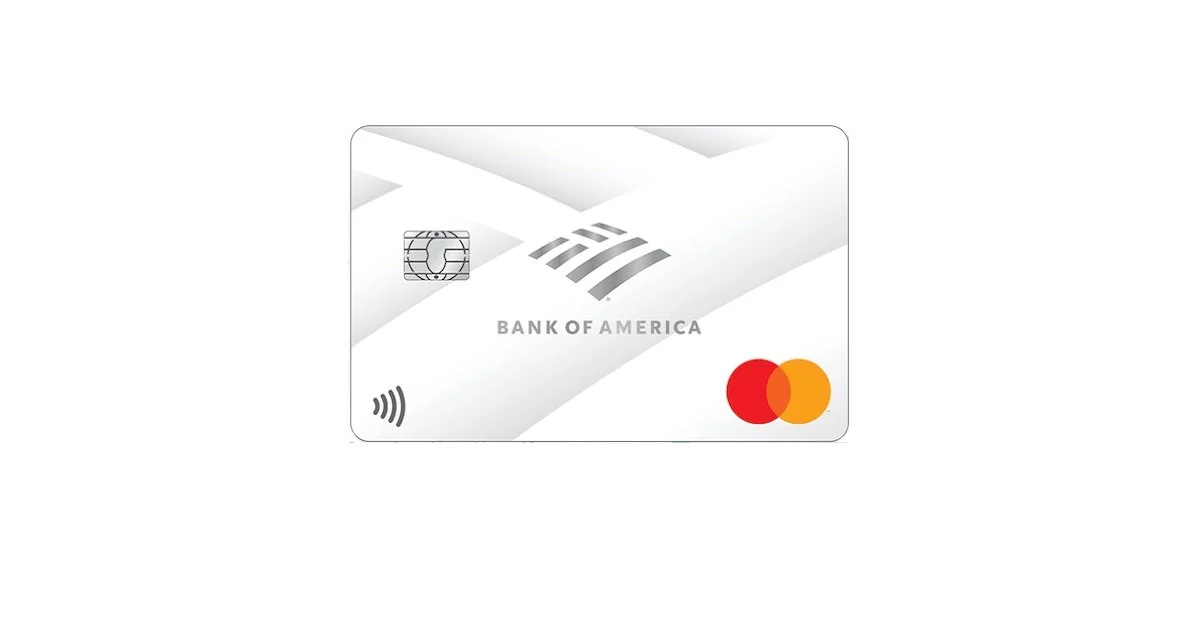
The Evolution of Credit Cards: How Technology Is Transforming the Financial Sector

The Evolution of Credit Cards
The world of credit cards has undergone a profound transformation over the decades. From their inception in the early 20th century to the digital age we live in today, these financial tools have revolutionized the way we approach spending and savings. Understanding this evolution is vital for every consumer, as it empowers us to make informed decisions about our finances. By familiarizing ourselves with the milestones that have shaped the credit card experience, we become better equipped to navigate our financial journeys.
One of the landmark moments in credit card history occurred in the 1950s, when the first general-purpose credit card was introduced. This innovation marked the beginning of widespread consumer credit, allowing individuals to purchase goods and services on credit rather than relying solely on cash. For instance, the Diners Club, which started in 1950, allowed members to dine at various restaurants and pay with a single monthly bill. This convenience changed consumer habits significantly and laid the groundwork for future credit products.
Fast forward to the 1980s, when the introduction of automated teller machines (ATMs) allowed for greater access to funds. This advancement liberated consumers from the constraints of bank hours, enabling them to withdraw cash anytime. ATMs soon incorporated debit and credit card functionalities, giving users immediate access to their accounts. For many Americans, this meant the freedom to travel without worrying about accessing cash, making transactions smoother and more efficient.
The 2000s brought about a seismic shift with the advent of online shopping. As websites like Amazon and eBay gained popularity, the necessity for secure credit card transactions became paramount. Consumers quickly recognized the value of their credit cards for online purchases, providing not just convenience but also a layer of fraud protection. Having the ability to make quick online purchases from the comfort of home transformed retail and became a fundamental aspect of consumer behavior.
The 2010s saw yet another breakthrough with the emergence of contactless payment technology. This innovation streamlined the transaction process at a time when consumers increasingly sought faster and more efficient ways to pay, particularly in busy environments like grocery stores and cafes. With simply a tap of their credit card or smartphone, users could complete transactions in seconds, enhancing the retail experience.
Today, technology continues to reshape the financial sector in transformative ways. With advancements such as mobile wallets like Apple Pay and biometric authentication methods, consumers are more equipped than ever to manage their finances responsibly. This evolution presents a unique opportunity to take charge of our financial futures. By being aware of these innovations and understanding how to wield them effectively, we can cultivate better spending habits and strive for a more sustainable lifestyle.
As we delve deeper into the evolution of credit cards, consider how closely intertwined your financial habits are with these innovations. Embracing these changes allows you to not only refine your spending practices but also to envision a healthier financial future where you thrive. Take the time to educate yourself about the benefits and responsibilities that come with credit card ownership — doing so can inspire you to make conscientious and positive financial choices that resonate throughout your entire life.
DISCOVER MORE: Click here to learn how to save effortlessly on everyday purchases
Revolutionizing Consumer Behavior
The rise of credit cards has not just altered the way we pay for goods and services; it has significantly transformed consumer behavior itself. As credit cards became more prevalent, they began influencing how consumers perceive and engage with money. The initial allure of being able to purchase items with borrowed funds opened the door to immediate gratification, often leading to a shift in spending habits. The ease of access to credit has made it possible for consumers to acquire items they might not have been able to afford otherwise, leading to a culture of instant consumption.
The credit card experience is not just about the plastic card itself; it encompasses the entire ecosystem of financial management that has developed around it. With credit card issuers vying for consumer attention, we have seen a variety of products tailored to meet diverse needs, such as:
- Rewards programs that incentivize spending with points, cash back, or travel benefits
- Low-interest offers that encourage responsible borrowing and manage debt
- Financial education resources that empower consumers to use credit wisely
As the competition in the credit card industry heats up, consumers benefit from increased options and improved services, allowing them to align their financial tools with their values and goals. The widespread availability of these innovations has democratized access to credit, making it essential for today’s consumers to understand their choices.
Another remarkable aspect of this evolution is the role technology plays in not just creating products but also in ensuring their security. Data breaches and identity theft have become significant concerns in the digital age. Consequently, issuers are investing in advanced security features to give consumers peace of mind. From EMV chip technology to real-time transaction alerts, these security measures are designed to protect consumers, making them feel safer when they reach for their wallets or smartphones.
Moreover, the integration of mobile payment systems, such as Apple Pay and Google Wallet, signifies that consumers are no longer tied to traditional credit card formats. Instead, they can store multiple accounts on their devices, simplifying the payment process while offering enhanced security features. With just a quick tap, users can complete transactions without needing to expose their physical cards, thereby minimizing the risk of theft.
As we continue to observe this dynamic landscape, one fact becomes increasingly clear: the evolution of credit cards is not merely about adapting to new technologies; it is about embracing a proactive approach to financial management. Consumers now have the tools and information at their fingertips to take control of their financial futures. By making educated choices about credit card usage, individuals can cultivate better habits that lead to greater financial stability.
In the next section, we will explore how these technologies extend beyond convenience and security, fostering a deeper understanding of personal finance and empowering consumers to make more informed choices regarding their credit utilization. As we navigate through this ever-evolving financial terrain, let us seize the opportunity to engage with these advancements and empower ourselves towards a healthier financial future.
CHECK OUT: Click here to learn how major events can impact your investments</
Empowering Financial Education and Responsibility
As technology continues to reshape the credit card landscape, it also opens up avenues for enhancing financial literacy among consumers. The integration of technology has introduced a realm of educational resources that support responsible credit card usage. Mobile apps and online platforms now provide users with real-time access to their spending habits, credit scores, and personalized financial advice. This wealth of information creates informed consumers who are better equipped to make educated decisions regarding their credit.
Now more than ever, the importance of understanding credit utilization cannot be overstated. Credit cards often come with terms and conditions that can be confusing, making it crucial for consumers to fully grasp these concepts. Financial education platforms, many of which are integrated within credit card apps, offer tutorials and interactive tools designed to break down complex financial concepts. As a result, users can learn about maintaining a good credit score, understanding interest rates, and how to strategically plan their payments—skills that lead to healthy financial habits.
Moreover, technology has paved the way for budgeting tools that link directly with credit card accounts. By simplifying the budgeting process, consumers gain clarity on their spending patterns. For example, many apps categorize transactions automatically, allowing individuals to visualize where their money is going. This newfound awareness enables users to set realistic savings goals and actively monitor their adherence to a budget. The opportunity to track spending in real time operates as a proactive approach to financial health, preventing overspending and encouraging more conscious financial decisions.
The relationship between technology and credit cards does not stop at education and awareness. It also fosters responsible financial behavior through goal-setting features. Many credit card applications allow users to set personalized financial objectives—be it a savings target, reducing existing debt, or building credit. As users align these goals with credit utilization, they harness their credit cards as tools for financial empowerment rather than as mere means of spending. This transformative shift fosters a healthier relationship with credit, cultivating habits that contribute to long-term financial well-being.
The impact of technology is further amplified by the incorporation of gamification elements into financial apps. Users can engage in rewarding experiences as they reach financial milestones, indirectly motivating them to manage their credit responsibly. For instance, achieving a monthly savings target or paying off a debt might trigger rewards or badges within the app, instilling a sense of achievement that encourages ongoing commitment to financial goals. This playful yet purposeful approach encourages individuals to not only become more responsible consumers but also to view financial management as an enjoyable practice.
In tandem with empowerment comes the significance of community learning. Social media platforms and online forums provide spaces for consumers to share experiences, tips, and resources related to credit card usage. The accessibility of shared wisdom creates a vibrant ecosystem where individuals can learn from one another’s successes and mistakes, fostering a sense of accountability and collective growth. Engaging with a community inspires consumers to deepen their understanding of responsible credit use, ultimately contributing to a more financially aware society.
As technology continues to refine and cultivate our experiences with credit cards, it presents us with a profound opportunity to not only manage our finances effectively but also to become stewards of our financial futures. With the resources at our disposal, let us harness the power of knowledge, support one another, and navigate the complexities of credit with confidence and responsibility.
LEARN MORE: Click here to discover the best cashback cards</p
Looking Ahead: A Future of Financial Empowerment
As we reflect on the evolution of credit cards and the significant role technology plays in the financial sector, it becomes clear that the integration of digital tools is not merely a trend but a transformative journey. With each advancement, we are witnessing a shift from archaic financial practices to a modern framework that promotes consumers’ financial empowerment through education and responsible management.
The strides made in financial literacy, budgeting tools, and personalized goal-setting functionalities illustrate technology’s dedication to creating informed and responsible consumers. This empowerment encourages individuals to take control of their financial destinies, making them more equipped to navigate potential pitfalls associated with credit card use. Therefore, embracing these technological innovations is not just a matter of convenience; it is a vital step towards achieving a secure financial future.
Moreover, as we move forward, it’s essential to cultivate a culture of community learning and support. Engaging in discussions, sharing insights, and learning from collective experiences can further inspire responsible credit behavior and enhance adherence to sound financial principles. In doing so, we can foster a more financially aware society, enabling each of us to not just survive, but truly thrive in today’s complex financial landscape.
In conclusion, the evolution of credit cards, powered by technology, is an invitation to embark on a journey of self-discovery and financial acumen. Let us embrace this opportunity, educate ourselves, and harness the tools available, as we reshape our financial futures with confidence, responsibility, and a sense of community.

Linda Carter
Linda Carter is a writer and financial expert specializing in personal finance and financial planning. With extensive experience helping individuals achieve financial stability and make informed decisions, Linda shares her knowledge on the our platform. Her goal is to empower readers with practical advice and strategies for financial success.