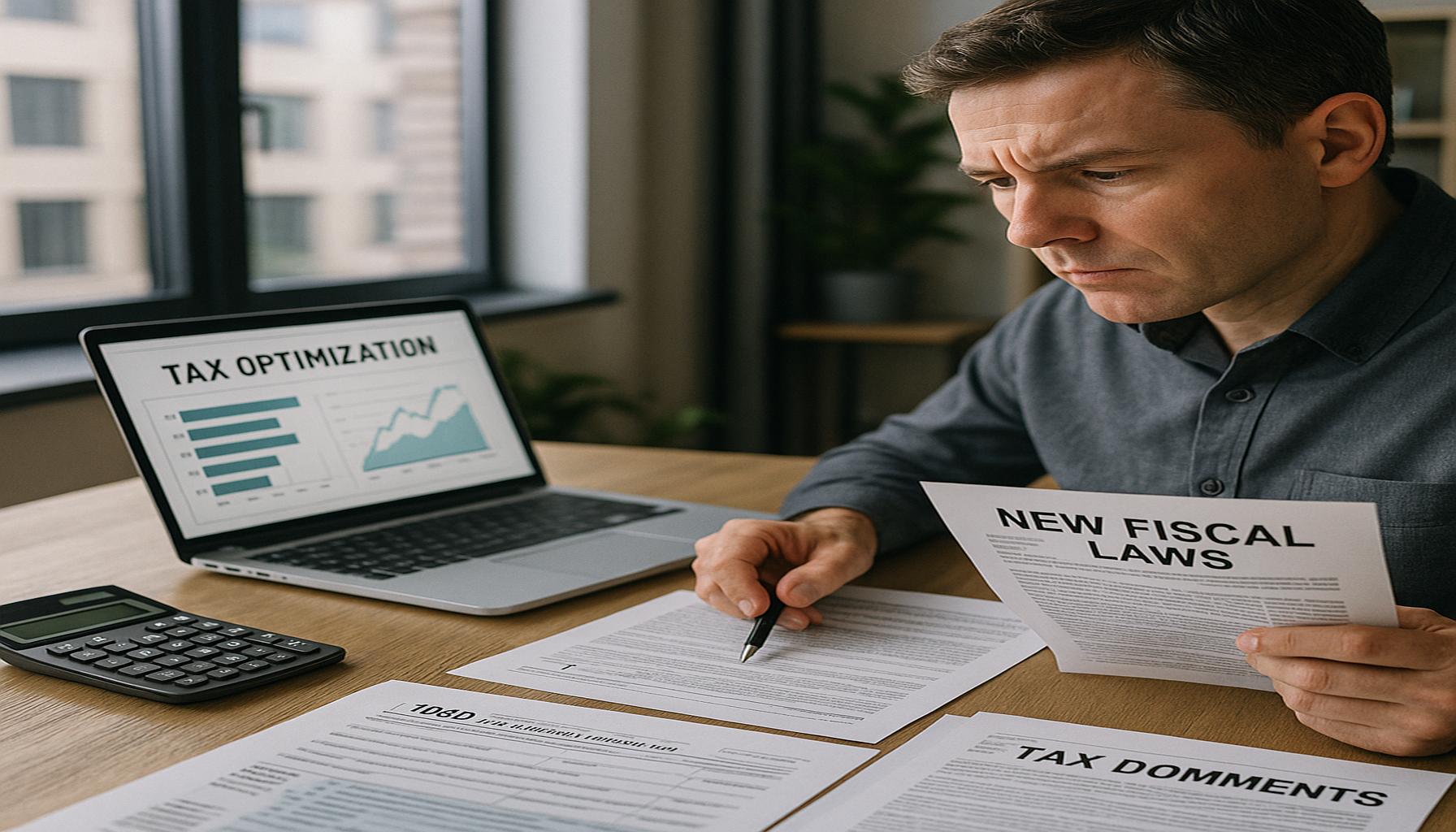
The importance of strategic accounting in tax optimization for growing companies

The Importance of Strategic Accounting in Financial Success
In the challenging world of business, where every penny counts, companies must innovate not only in their products and services but also in how they manage their finances. This is where strategic accounting comes into play—a robust framework that can significantly enhance a firm’s financial potential and establish a solid key to success.
For growing businesses, a strategic approach to accounting is imperative to navigate complexities and capitalize on opportunities. Here are several impactful ways strategic accounting can improve financial health:
- Improved Cash Flow Management: Effective accounting practices allow businesses to accurately forecast their cash requirements. For instance, by analyzing historical sales data, a company can predict seasonal fluctuations in cash flow and prepare accordingly, perhaps by ramping up inventory before peak sales periods or by tightening credit with customers during slower months.
- Tax Advantage Identification: Strategic accounting helps uncover various deductible expenses and tax credits that businesses might overlook. For example, many companies are eligible for research and development tax credits that can substantially reduce their tax burden. By engaging with a skilled accountant, businesses can ensure they claim all the entitlements provided by local and federal tax systems, thus keeping more profits for reinvestment.
- Informed Decision Making: With accurate and timely financial data at hand, business leaders can make informed investment decisions. For example, a thorough cost-benefit analysis, facilitated by precise bookkeeping, could reveal whether to invest in new technology, enter a new market, or hire additional staff—each decision critically shaping the company’s future direction.
The advantages of strategic accounting are layered and multifaceted, extending well beyond mere tax savings. It cultivates a spirit of responsibility and foresight within companies, urging owners to actively engage in their financial narrative. This sense of ownership empowers leaders to not only react to their financial circumstances but strategically shape them, crafting a legacy of fiscal responsibility.
Moreover, adopting a strategic accounting framework promotes a culture of financial transparency. Transparency fosters trust among all stakeholders—investors, partners, and customers alike. For instance, companies that openly share their financial health and strategic plans tend to develop stronger relationships with investors who appreciate honesty and integrity. This trust can lead to more solid partnerships, better financing opportunities, and ultimately, enduring success.
In conclusion, by integrating strategic accounting into their operations, growing companies can channel their focus toward ambitious goals while ensuring a thriving financial future. It’s an investment in both their current operations and long-term prosperity, positioning them as leaders in their respective industries. Now is the time for business owners to harness the transformative power of effective accounting and take conscious, responsible actions towards securing their financial destiny.
DIVE DEEPER: Click here for essential tips
Unleashing the Power of Strategic Accounting for Tax Optimization
As businesses strive to grow and thrive in competitive landscapes, the importance of strategic accounting in tax optimization cannot be overstated. For growing companies, tax expenses can represent a significant portion of their operational costs. By implementing a well-planned accounting strategy, businesses can mount an effective defense against excessive taxation and open doors to financial opportunities. Here are some ways in which strategic accounting can serve as a powerful tool for tax optimization:
- Proactive Tax Planning: One of the most profound advantages of strategic accounting is its ability to facilitate proactive tax planning. Rather than waiting until the end of the year to evaluate their tax obligations, businesses can integrate tax considerations into their daily financial decisions. This ongoing assessment might lead to actions such as the timing of income recognition or expense acceleration, ultimately leading to lower taxes owed.
- Maximization of Deductions: Growing companies often have numerous deductible expenses that can significantly reduce taxable income. A strategic accounting approach ensures that no deduction goes unclaimed. From operational costs to employee benefits, understanding the full range of eligible deductions can save companies thousands of dollars on their tax bills. For instance, costs associated with remote work setups could be classified as business expenses, providing substantial deductions in a post-pandemic world.
- Utilizing Tax Credits: Knowledge of available tax credits can create a powerful edge in tax optimization. Strategic accountants can help businesses identify credits that align with their activities—such as those for energy efficiency improvements or investment in community development. By leveraging these credits strategically, companies can lower their tax liabilities while simultaneously contributing positively to their community and environment.
The dynamic nature of tax laws, especially in the United States, requires vigilant attention and agile responses. Mistakes in tax reporting or missed opportunities for savings can have cascading effects on a company’s financial health. However, with strategic accounting, companies cultivate a proactive mindset and a thorough understanding of their tax landscape, thus positioning themselves to adapt swiftly to changing regulations.
Moreover, strategic accounting promotes a culture of accountability within organizations. As business leaders engage actively with their financial information, they develop a deeper connection to their fiscal responsibilities. This engagement fosters an environment where informed financial choices lead to sustainable growth, allowing organizations not only to survive but to flourish in their respective industries.
Ultimately, the integration of strategic accounting in managing taxes is an investment in a company’s ability to maximize its resources. By consciously shaping their financial practices, growing businesses can enhance their competitive advantage, securing their positions in the marketplace while achieving their ambitious goals. Embracing strategic accounting is not merely a financial exercise; it is a pathway to unlocking potential and reaping the rewards of sustained economic success.
DISCOVER MORE: Click here to learn how to choose the perfect credit card for your needs</
Building Long-Term Success Through Strategic Financial Management
As growing companies navigate their paths towards success, a strategic accounting approach not only aids in tax optimization but also plays a vital role in establishing a solid financial framework that supports long-term growth. This framework allows businesses to make informed decisions grounded in a comprehensive understanding of their financial health.
Data-Driven Decision Making: In today’s data-driven world, companies benefit immensely from leveraging financial analytics to drive decision-making. Strategic accountants use sophisticated analytical tools to track and forecast financial metrics—transforming historical data into actionable insights. When businesses understand their spending patterns, profit margins, and revenue streams, they can make more informed decisions about investments, expansions, or necessary cost-cutting measures. With these insights, businesses can uncover opportunities that quiet competitors may overlook, ensuring a competitive edge.
Cash Flow Management: Maintaining healthy cash flow is critical for growing businesses. Strategic accounting empowers companies to monitor and manage their cash flow effectively, ensuring sufficient liquidity for day-to-day operations and unforeseen expenses. By preparing detailed cash flow projections, companies can anticipate periods of tight cash flow and arrange financing or investment opportunities accordingly. Furthermore, greater control over cash flow can provide businesses with the flexibility needed to seize growth opportunities, whether that means purchasing new equipment, investing in marketing, or hiring talent that drives innovation.
Succession Planning and Business Valuation: Growing businesses must also consider their long-term viability in terms of succession and valuation. Strategic accounting equips companies with the tools to maximize their value, whether for a future sale, merger, or acquisition. By maintaining accurate and thorough financial records, businesses can present potential investors with a clear understanding of their worth and performance history. This transparency fosters trust and confidence, essential for any successful business transaction. Moreover, strategic planning to address succession ensures that a company continues to thrive, even as leadership shifts.
Compliance and Risk Management: The regulatory landscape can be daunting, especially for growing businesses. Strategic accountants help navigate the complexities of compliance, mitigating the risks associated with potential audits or legal issues. With an eye on future regulations and compliance requirements, companies can position themselves to avoid costly penalties due to oversight or misunderstanding. This proactive stance protects a company’s reputation and reinforces stakeholder trust, balancing risk management with growth ambitions.
As businesses adopt a mindset geared towards responsibility and accountability, they can instill a sense of ownership among their employees. Every team member, from management to entry-level, begins to appreciate the importance of their roles in sustaining financial health. By fostering a culture where everyone plays a part in the financial narrative, companies not only optimize their tax obligations but also inspire loyalty and commitment among their workforce.
By understanding and implementing strategic accounting practices, businesses embark on a journey towards more than just financial savings; they lay the groundwork for a resilient, adaptable organization. Through conscious financial actions, companies can not only enhance their marketplace position but also demonstrate a commitment to sustainable growth, ensuring success for years to come.
DISCOVER MORE: Click here for essential tips
Empowering Growth through Strategic Accounting
In conclusion, the journey toward sustainable growth for businesses hinges considerably on strategic accounting. By understanding and implementing the principles of strategic accounting, companies can optimize their tax obligations while creating a robust financial foundation crucial for long-term success. The importance of financial analytics cannot be overstated, as it transforms data into valuable insights, enabling management to make informed decisions that drive growth and maintain a competitive edge.
Furthermore, effective cash flow management ensures that businesses remain agile enough to respond to opportunities and challenges alike, reinforcing their ability to thrive in dynamic markets. Succession planning and business valuation play critical roles in providing transparency and fostering trust among stakeholders, essential for any future transactions.
Additionally, navigating compliance and risk management through strategic accounting safeguards businesses against potential pitfalls, allowing them to focus on their overarching vision and goals. Ultimately, by cultivating a culture of financial responsibility, every team member can contribute to a shared understanding of the importance of financial health, resulting in enhanced loyalty and commitment.
This proactive approach to managing finance positions growing companies not only for immediate success but also lays the groundwork for a resilient future. As you embrace these strategies, remember that every financial decision is a step toward a brighter, more sustainable business outcome. The road may be challenging, but your dedication to strategic accounting will be a powerful catalyst for growth, trust, and long-lasting achievement.

Linda Carter
Linda Carter is a writer and financial expert specializing in personal finance and financial planning. With extensive experience helping individuals achieve financial stability and make informed decisions, Linda shares her knowledge on the our platform. Her goal is to empower readers with practical advice and strategies for financial success.