
How Technology Is Transforming Tax Optimization in Large Corporations
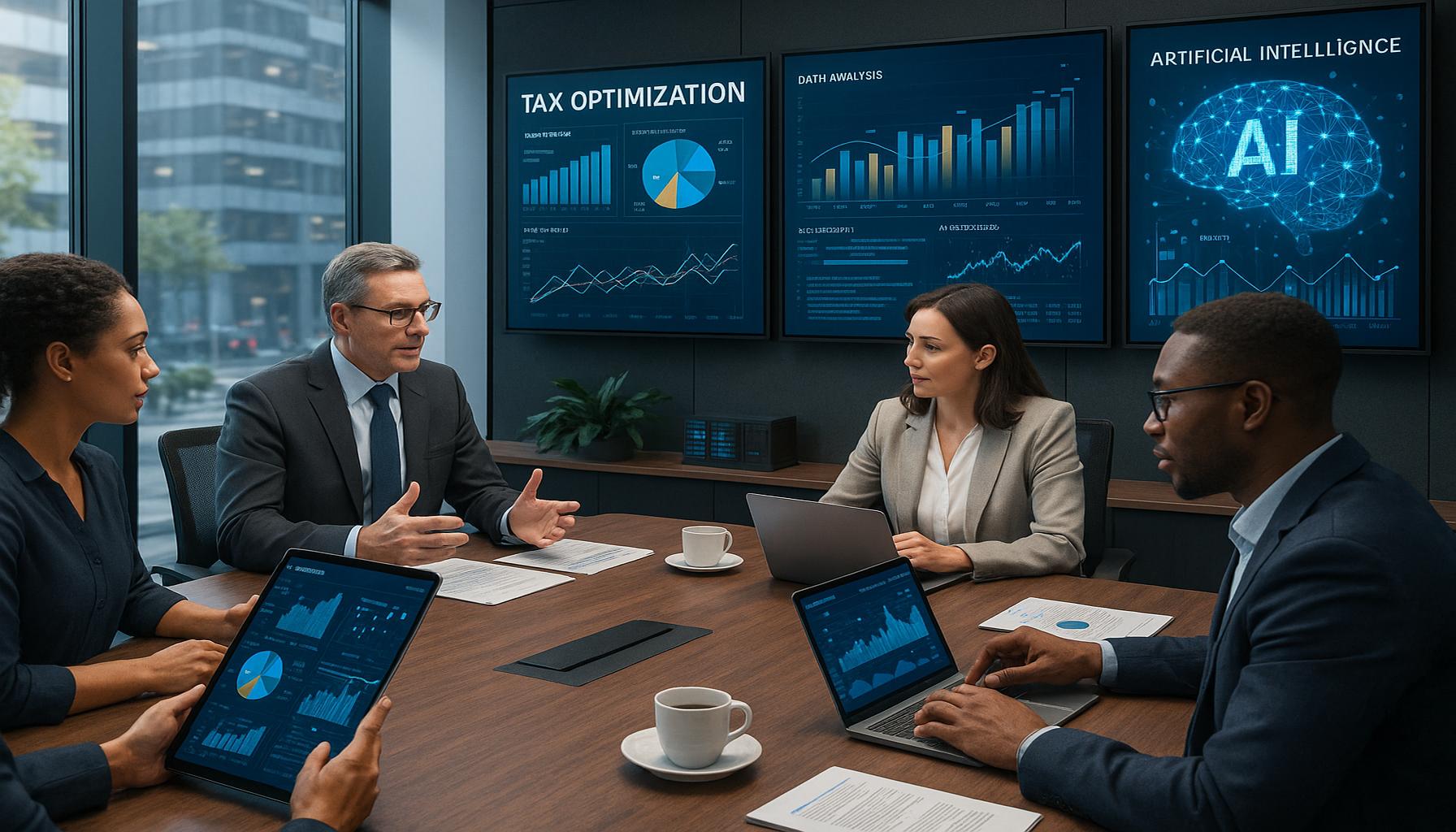
Embracing Technological Advances for Effective Tax Optimization
In an era where every business decision carries significant implications, the integration of technology into tax optimization strategies presents a compelling opportunity for corporations. For large organizations, the traditional methods of managing tax obligations are being replaced by sophisticated, automated solutions that not only enhance efficiency but also inspire confidence and responsibility in financial practices.
Enhanced Data Analysis
One of the most powerful tools in today’s corporate arsenal is data analytics. By employing advanced analytical software, businesses can scrutinize their financial data to uncover hidden tax-saving opportunities that may previously have gone unnoticed. For instance, a technology firm might use predictive analytics to forecast taxable events and prepare in advance, ensuring they take advantage of credits and deductions. This sharp focus on data can lead to significant savings, enabling reinvestment into growth initiatives.
Automation of Processes
The automation of tax compliance processes is another area where technology shines. Automated systems can handle repetitive tasks such as data entry and report generation with remarkable precision and speed, significantly reducing the chances of human error. For example, a multinational corporation might implement a tax compliance software that automatically updates in accordance with the changing regulatory landscape, relieving the burden on tax professionals while ensuring compliance. This not only proves to be cost-effective but enhances the overall integrity of the tax reporting process.
Cloud Solutions for Real-Time Decision Making
Cloud technology offers unprecedented flexibility and accessibility to financial data. With a cloud-based platform, companies can access their tax information in real-time, allowing for informed decision-making on the fly. Imagine a scenario where a finance team, based in different locations across the United States, can collaboratively analyze data and strategize tax considerations seamlessly. This collaborative approach not only fosters innovation but also allows for swift adaptations to new laws and regulations, which is critical in the ever-evolving landscape of tax compliance.
Promoting Transparency and Ethical Practices
Embracing these technological advancements does more than streamline processes; it cultivates a culture of transparency and ethical financial practices. Businesses that prioritize responsible tax optimization not only improve their financial standing but also align their operations with societal expectations. A firm that actively engages in ethical tax strategies can enhance its reputation and build trust with its stakeholders, including customers and investors. Strengthening ethical standards in tax practices supports the broader economic framework and contributes positively to community development.
As we navigate the complexities of modern taxation, let us recognize the potential of technology as a catalyst for positive change. It is not merely about adherence to compliance; it’s about fostering a mindset of accountability and sustainability in financial operations. By embracing these digital tools, businesses can position themselves to thrive both financially and ethically in a challenging environment, thereby inspiring a brighter, more responsible future.
DIVE DEEPER: Click here to learn more
Leveraging Artificial Intelligence for Strategic Insights
In the quest to optimize tax strategies, artificial intelligence (AI) has emerged as a game-changer for large corporations. By deploying AI-powered algorithms, businesses can analyze vast amounts of financial data at unmatched speeds, enabling them to identify trends and patterns that human analysts may overlook. These insights can guide organizations in tailoring their tax positions to maximize benefits while minimizing liabilities.
For example, when preparing for mergers or acquisitions, corporations can utilize AI to simulate various tax scenarios. By evaluating potential outcomes and their respective tax implications, companies can make informed decisions that align with their strategic goals. This proactive approach fosters a culture of financial prudence and innovation, where executives feel empowered to explore new avenues while safeguarding the corporation’s fiscal health.
Blockchain Technology for Enhanced Security and Accuracy
The implementation of blockchain technology in financial transactions is revolutionizing how corporations handle tax compliance. With its decentralized ledger system, blockchain ensures transparency and security, providing businesses with a trustworthy method for recording financial data. This level of accuracy reduces disputes with tax authorities and helps in maintaining a solid audit trail, which is crucial for large organizations often facing rigorous regulatory scrutiny.
Moreover, blockchain can facilitate smart contracts that automatically execute predefined tax obligations. This means that when a transaction occurs, corresponding taxes can be calculated and remitted instantaneously without manual intervention, eliminating delays and enhancing compliance efficiency. As organizations shift their focus towards compliance foresight rather than compliance afterthought, embracing blockchain technology represents a vital step towards responsible financial management.
Building a Competent Knowledge Base through Continuous Learning
Technology not only assists in the optimization of tax strategies but also aids in fostering a culture of continuous learning within organizations. Through online platforms and digital training modules, tax professionals can stay updated on the latest tax laws and regulations. This capacity for ongoing education is essential in an environment where tax codes frequently change, and corporations are tasked with navigating complexities that impact their operations.
- Real-time updates on tax regulations help tax teams react swiftly to new legislation.
- Webinars and e-learning courses allow professionals to deepen their expertise and develop strategic insights.
- Peer-to-peer knowledge sharing encourages collaboration and the sharing of best practices across departments.
By investing in their workforce’s knowledge base, corporations not only enhance their capacity for compliance but also inspire employees to take an active role in responsible tax optimization. This creates an environment where individuals feel valued and engaged, contributing to the overall success of the organization.
Conclusion: Cultivating a New Era of Tax Optimization
The integration of technology in tax optimization is more than about leveraging tools to meet obligations; it’s about fostering a responsible corporate ethos that emphasizes ethical conduct and continuous improvement. By embracing innovations such as AI, blockchain, and ongoing education, large corporations are not only enhancing their financial strategies but also setting a precedent for accountability and transparency in the business world. It is time for businesses to lead by example, ensuring that their tax practices support both their growth and the communities in which they operate.
DIVE DEEPER: Click here to learn how to teach kids money management
Enhancing Data Analytics for Strategic Decision-Making
The utilization of advanced data analytics tools is fundamentally altering how large corporations approach tax optimization. Leveraging big data allows organizations to uncover insights into their financial performance and tax obligations, providing them with a clearer picture of their overall fiscal health. By mining historical tax data and integrating it with current financial performances, corporations can identify the most tax-efficient strategies while maintaining compliance with the latest regulations.
For instance, companies can dissect their various business units to assess which ones are driving the most tax revenue and where they may be incurring unnecessary liabilities. This granular level of analysis enables organizations to refine their operational strategies and allocate resources more effectively, ensuring they maximize potential tax credits and minimize exposures. Additionally, predictive analytics can forecast future tax impacts based on current market trends and changing regulations, granting corporations a strategic advantage in their planning processes.
Cloud-Based Solutions for Collaborative Tax Management
Cloud technology has revolutionized tax management processes by promoting collaboration and efficiency in real-time. Large corporations are increasingly adopting cloud-based tax solutions that facilitate seamless data sharing and communication among various departments, such as finance, legal, and operations. This interconnectedness is crucial for developing a comprehensive understanding of tax compliance, as changes in one area can significantly impact another.
By adopting unified cloud platforms, companies can streamline their tax workflows, from data collection to submission of filings. User-friendly interfaces enable cross-functional teams to collaborate effortlessly, empowering them to identify tax-saving opportunities while ensuring robust compliance with state and federal regulations. This efficiency not only reduces the time spent on tax processes but also enhances the accuracy of tax reporting, thereby fostering trust and transparency with stakeholders.
Implementing Digital Platforms for Regulatory Compliance
The rapidly evolving landscape of tax regulations necessitates that corporations remain agile in their compliance strategies. Digital platforms tailored for regulatory updates are proving invaluable in this context, allowing businesses to continuously monitor and adapt to the changing tax environment confidently. Through automated alerts and updates, tax professionals are kept informed of any legislative shifts that could impact their obligations.
- Automated compliance software ensures that tax returns are filed accurately and on time, reducing the risk of penalties.
- Integrated compliance tools allow for easy documentation and retrieval of necessary information during audits, promoting transparency.
- Real-time compliance dashboards provide management with an overview of tax positions and obligations, fostering informed decision-making.
By embracing these digital platforms, corporations not only enhance their ability to meet regulatory requirements but also mitigate risks associated with non-compliance. This proactive stance fosters a resilient corporate culture where teams can focus on core business functions, knowing that their tax responsibilities are being diligently managed.
Embracing Sustainability in Tax Strategy
Alongside financial optimization, there is a growing emphasis on sustainability within corporate tax strategies. As stakeholders increasingly expect corporations to demonstrate corporate social responsibility, technology can assist in aligning tax practices with sustainable values. By integrating systems that track environmental impact alongside tax obligation, corporations can ensure they are contributing positively to the communities in which they operate.
Innovative technologies enable organizations to assess the tax benefits associated with sustainable practices, such as renewable energy credits or deductions for energy-efficient investments. By adopting greener strategies, corporations not only enhance their tax positions but also contribute to a broader narrative of sustainability. Fostering this alignment can cultivate a sense of loyalty among customers and employees, contributing to long-term success and community support.
DISCOVER MORE: Click here to learn how to invest successfully
Conclusion
As we have explored, the transformation of tax optimization in large corporations through technology is more than a mere trend; it is a necessary evolution. The integration of advanced data analytics, cloud-based solutions, and digital platforms is equipping organizations with the tools to navigate the complex world of taxation with unprecedented efficiency and accuracy. By enhancing strategic decision-making, enabling cross-functional collaboration, and ensuring real-time compliance, companies are not only refining their tax strategies but also paving the path towards greater fiscal responsibility.
Moreover, the incorporation of sustainable practices into tax strategies highlights a significant cultural shift within corporate environments, reflecting a deeper commitment to corporate social responsibility. Organizations are beginning to recognize that aligning tax optimization with sustainable operations can lead to reputational benefits and long-term viability. This shift is essential in today’s market where stakeholders, consumers, and employees prioritize ethical practices.
Ultimately, as technology continues to evolve, it provides corporations an opportunity not just to minimize their tax liabilities, but to embrace a holistic approach to financial management that harmonizes compliance, sustainability, and profitability. It’s an inspiring moment to reflect on how, by leveraging technology strategically, corporations can not only achieve their goals but also contribute positively to society. The responsibility lies with us all to harness these advancements purposefully—driving our businesses towards not just more profit, but towards a prosperous future for communities and the world as a whole.

Linda Carter
Linda Carter is a writer and financial expert specializing in personal finance and financial planning. With extensive experience helping individuals achieve financial stability and make informed decisions, Linda shares her knowledge on the our platform. Her goal is to empower readers with practical advice and strategies for financial success.